



What's Happening?
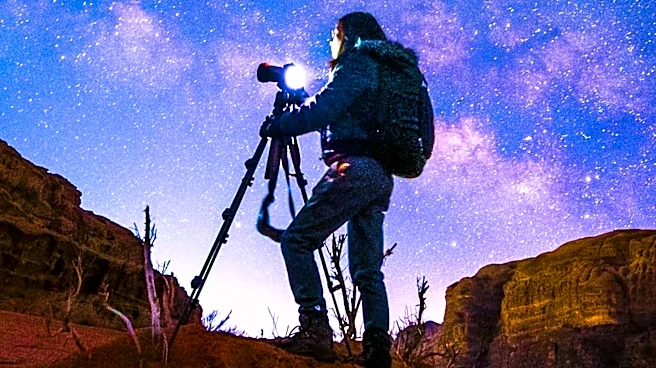
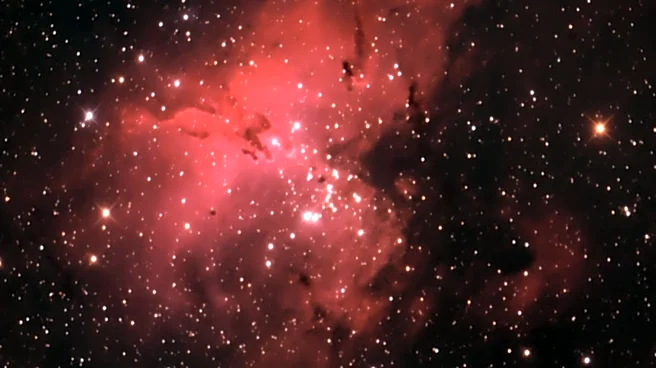
Amateur astrophotographer ing. Cornelis van Zuilen has successfully completed a mosaic image encompassing all 110 objects in the Messier catalog. This monumental project involved 352 hours and 13 minutes of imaging time, capturing galaxies, star clusters,
and nebulae. Van Zuilen utilized an Askar 103APO telescope and a William Optics Redcat 51 MK2.5, along with ZWO astronomy cameras and filters, to collect the ancient light from these celestial bodies. The editing process involved Photoshop and PixInsight astronomy software. Many of the observations were conducted from his balcony in Heiloo, Netherlands, while others required him to travel to darker locations to avoid light pollution and obstructions. The Messier catalog, originally compiled by 18th-century astronomer Charles Messier, lists deep-sky objects that could be mistaken for comets and includes well-known entities like the Andromeda Galaxy and the Orion Nebula. Van Zuilen began this ambitious project approximately a year and a half ago, after starting his deep-sky astrophotography journey in 2024 with an image of the Pleiades.
Why It's Important?
This achievement by an amateur astrophotographer highlights the increasing accessibility and sophistication of astrophotography as a hobby and scientific pursuit. It demonstrates that dedicated individuals, even without professional observatory resources, can contribute significantly to astronomical imaging and public engagement with space. The completion of such a comprehensive catalog mosaic provides a valuable visual resource for both amateur astronomers and the general public, offering a unified and detailed view of many of the most famous deep-sky objects visible from the Northern Hemisphere. This kind of project can inspire others to explore astrophotography and astronomy, fostering a greater appreciation for the universe. Furthermore, the detailed imaging of these objects can sometimes reveal subtle features or provide new perspectives, even if the primary goal is aesthetic and cataloging rather than novel scientific discovery. The effort also underscores the technical skills and patience required in modern astrophotography, from equipment operation to advanced image processing.
What's Next?
The completion of this Messier catalog mosaic by ing. Cornelis van Zuilen is a significant personal milestone in his astrophotography journey. While the immediate next steps for this specific project are complete, the work may be showcased in astronomy communities, online platforms, and potentially in publications dedicated to amateur astronomy. Such comprehensive projects often lead to increased recognition within the astrophotography community, potentially opening doors for collaborations or further ambitious imaging endeavors. Other amateur astrophotographers might be inspired to undertake similar cataloging projects or focus on specific challenging objects within the Messier catalog or beyond. The detailed images could also be used in educational contexts to teach about different types of celestial objects. For van Zuilen, this achievement could mark a transition to even more complex targets or different areas of astrophotography, such as planetary imaging or spectroscopy, continuing to push the boundaries of amateur capabilities.
Beyond the Headlines
Beyond the immediate visual appeal, van Zuilen's mosaic represents a deeper connection between humanity and the cosmos. The Messier catalog itself was born from a practical need to distinguish comets from other celestial objects, evolving into a popular checklist for amateur astronomers. This project continues that tradition, transforming a list of scientific observations into a personal artistic and technical endeavor. The dedication required, including spending nights sleeping in his car to find dark skies, speaks to the passion that drives amateur astronomers. It also subtly highlights the growing issue of light pollution, which increasingly forces observers to travel far from urban centers to capture clear images of the night sky. This mosaic serves as a testament to human curiosity and the desire to understand our place in the vast universe, using technology to bring distant wonders closer to home and share them with a wider audience, fostering a sense of wonder and scientific engagement.