






What's Happening?
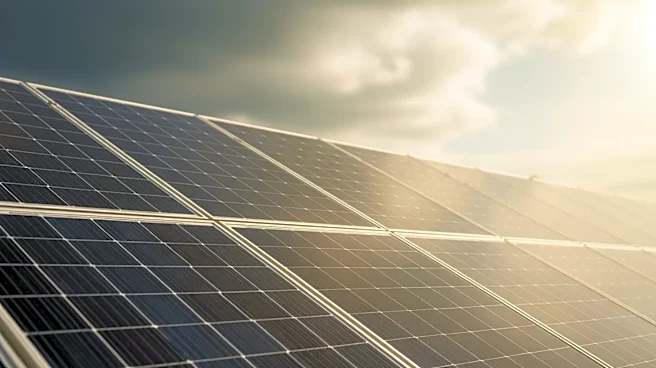
The increasing frequency and intensity of extreme weather events, driven by rising global temperatures, are reshaping the risk landscape for energy infrastructure, particularly solar power systems. Research by the U.S. National Laboratory of the Rockies
highlights that tropical cyclones and extreme precipitation can cause significant structural damage and financial losses to solar power assets. In response, resilience-based engineering and operational strategies are being integrated into all stages of solar project development. This includes site selection, system design, construction, and operations and maintenance (O&M). For instance, in Taiwan, a region prone to typhoons, solar power plants are adopting enhanced structural designs and material strategies to withstand harsh environmental conditions. These measures aim to ensure the long-term viability and performance of solar power projects under extreme climatic conditions.
Why It's Important?
The adaptation of solar power projects to withstand extreme weather is crucial for maintaining energy infrastructure resilience and ensuring operational continuity. As climate change intensifies, the ability of solar power systems to endure environmental stressors becomes a critical determinant of their bankability and long-term asset performance. By integrating resilience into their design and operations, solar power projects can mitigate potential financial losses and enhance their reliability. This approach not only safeguards energy production but also supports the broader transition to renewable energy sources, which is essential for reducing carbon emissions and combating climate change. The strategies employed in Taiwan serve as a model for other regions facing similar climatic challenges, highlighting the importance of proactive planning and engineering in the renewable energy sector.
What's Next?
As climate change continues to drive extreme weather events, the solar power industry is likely to see increased adoption of resilience-based strategies. This includes further advancements in engineering design, material selection, and data-driven operational measures to enhance system durability. The integration of artificial intelligence for predictive maintenance and structural health monitoring is expected to play a significant role in improving the resilience of solar power systems. Additionally, the lessons learned from regions like Taiwan could inform global best practices, encouraging other countries to adopt similar approaches to safeguard their renewable energy infrastructure. Ongoing research and collaboration among industry stakeholders will be essential to address the evolving challenges posed by climate change and ensure the sustainable growth of the solar power sector.
Beyond the Headlines
The shift towards resilience-based planning in solar power projects reflects a broader trend in infrastructure development, where climate adaptation is becoming a key consideration. This approach not only addresses immediate risks but also contributes to long-term sustainability by reducing vulnerability to environmental stressors. The emphasis on resilience highlights the need for comprehensive risk assessments and the integration of advanced technologies in infrastructure planning. As the impacts of climate change become more pronounced, the focus on resilience is likely to extend beyond the energy sector, influencing urban planning, transportation, and other critical infrastructure domains. This paradigm shift underscores the importance of proactive measures in building a more resilient and sustainable future.