





What's Happening?
A study conducted by Tel Aviv University has revealed that artificial nighttime lighting (ALAN) significantly disrupts the natural immune rhythms of wild rodents, leading to increased mortality rates. The research, which is the first of its kind, highlights
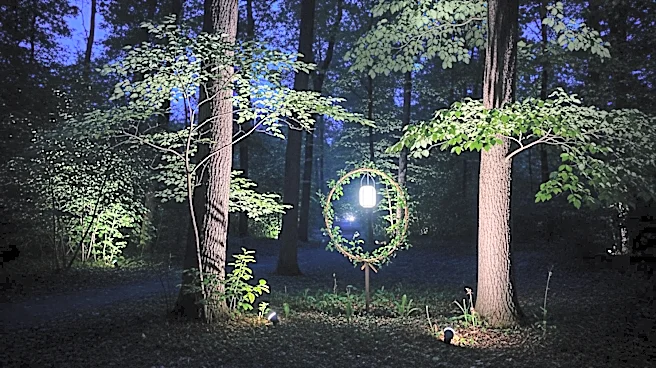
how even minimal artificial light, comparable to standard street lighting, can weaken the immune systems of mammals. The study was conducted on two species of spiny mice, showing that exposure to ALAN resulted in a 2.35-fold increase in mortality. The findings suggest that ALAN disrupts the biological clocks of these animals, affecting their immune responses and overall survival.
Why It's Important?
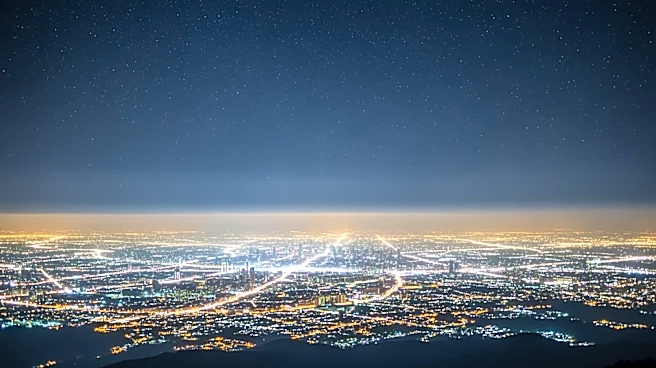
The implications of this study are far-reaching, affecting not only wildlife but potentially human health and urban planning. As artificial lighting becomes more prevalent in urban areas, understanding its impact on biological systems is crucial. The study suggests that ALAN could be a significant environmental health risk, disrupting ecosystems and potentially affecting human health by weakening immune systems. This research could influence public policy, encouraging municipalities to reconsider lighting strategies to mitigate these effects. The findings also highlight the need for further research into the impact of light pollution on various species and ecosystems.
What's Next?
Following these findings, there may be increased advocacy for policies that limit artificial lighting in urban and natural environments. Researchers and environmentalists might push for legislation to reduce light pollution, emphasizing the importance of preserving natural light-dark cycles. Public awareness campaigns could also emerge, educating communities about the benefits of reducing artificial light exposure. Additionally, further studies could explore the specific mechanisms by which ALAN affects immune systems and investigate potential solutions to mitigate its impact on both wildlife and human populations.