



What's Happening?
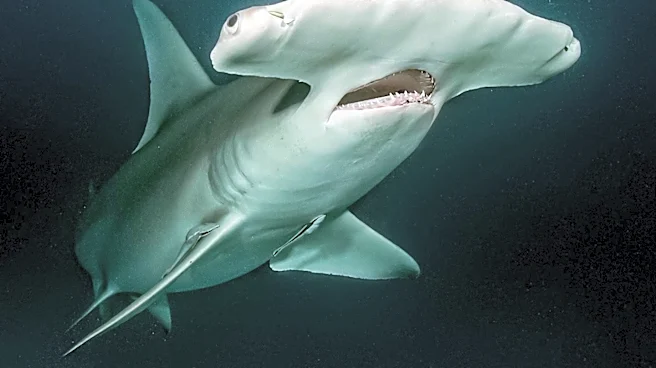
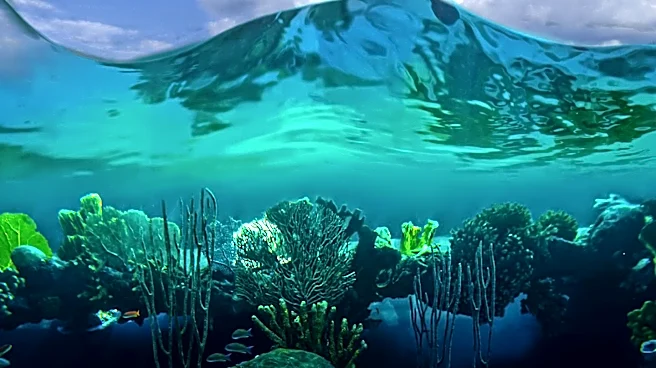
The intensifying El Niño phenomenon is expected to bring significant changes to marine ecosystems along the U.S. Pacific coast. Warmer waters are anticipated to attract unusual marine species, including various sharks, rays, and tropical fish, to areas
where they are not typically found. This shift is due to the suppression of nutrient-rich upwelling, which normally supports local marine life. The phenomenon is also linked to broader ecological impacts, such as changes in fish abundance and distribution in the Atlantic and Pacific Oceans. Scientists are preparing for a 'sharky summer' as juvenile white sharks and other species move northward, following the warm water currents.
Why It's Important?
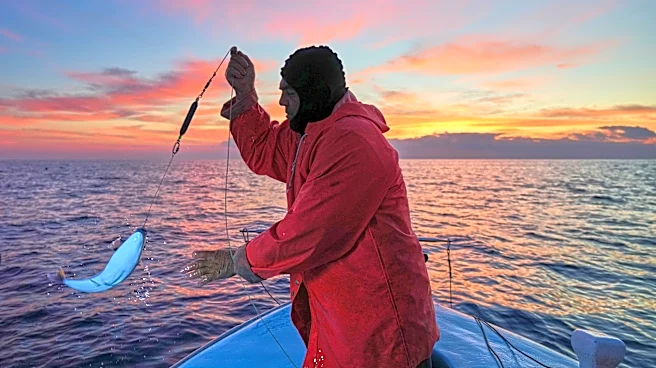
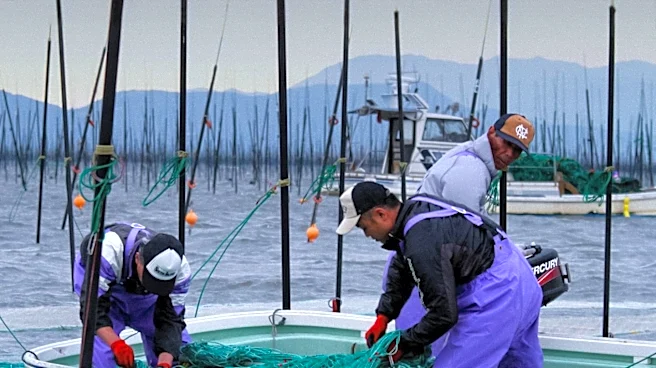
The changes in marine life distribution due to El Niño could have significant ecological and economic impacts. Fisheries may experience shifts in species availability, affecting local economies dependent on fishing. The presence of unusual marine species could also pose challenges for coastal communities, including increased interactions with potentially dangerous animals like sharks and stingrays. Additionally, the broader environmental impacts of El Niño, such as altered weather patterns and ocean currents, highlight the interconnectedness of global ecosystems and the potential for widespread ecological disruption.
What's Next?
As El Niño continues to develop, scientists and local authorities are monitoring its effects on marine life and preparing for potential impacts on coastal communities. Public awareness campaigns and safety measures may be implemented to address increased interactions with marine species. Researchers will continue to study the phenomenon to better understand its long-term ecological consequences and to inform future conservation and management strategies.