







What's Happening?
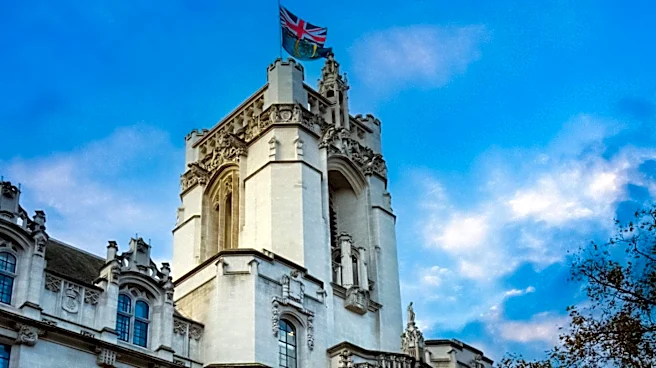
The Supreme Court has declined to intervene in the case of former Fox News reporter Catherine Herridge, who faces an $800-a-day fine for refusing to reveal her confidential source. This decision follows a lawsuit by scientist Yanping Chen against the government
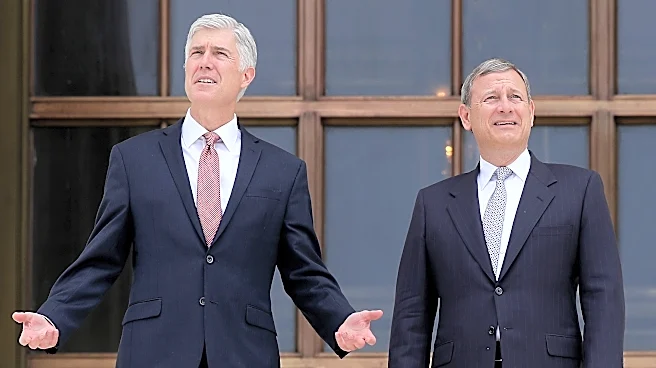
over leaked information. Herridge's reports in 2017 raised questions about Chen's ties to the Chinese military. Despite a six-year investigation, Chen was never charged. The court's decision not to stay the fine comes after Chief Justice John Roberts temporarily halted it. Justice Brett Kavanaugh supported granting a stay. The case has drawn attention from media advocates concerned about the implications for journalistic confidentiality.
Why It's Important?
The ruling underscores the tension between journalistic freedom and legal obligations to disclose sources. It highlights the challenges journalists face in protecting their sources, which is crucial for investigative reporting. The decision could deter potential whistleblowers from coming forward, impacting the media's ability to uncover government misconduct. Media organizations argue that such rulings threaten First Amendment rights and the free flow of information. The case also raises questions about the balance between individual privacy rights and public interest in government transparency.
What's Next?
Fox News Media and media advocacy groups may explore further legal options to challenge the ruling. The case could prompt discussions on legislative measures to protect journalistic sources. Media organizations will likely continue to advocate for stronger protections under the First Amendment. The outcome may influence future legal battles involving source confidentiality and could lead to increased scrutiny of government actions regarding privacy violations.