






What's Happening?
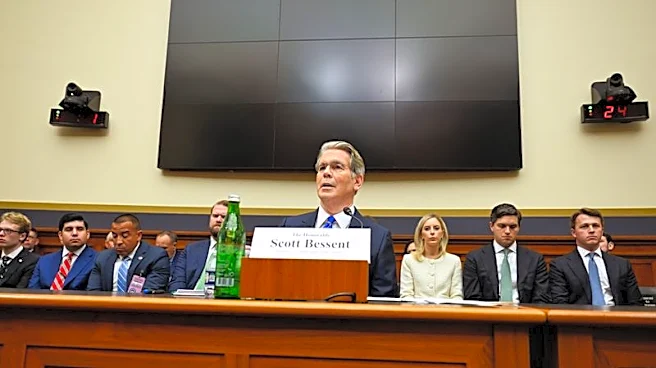
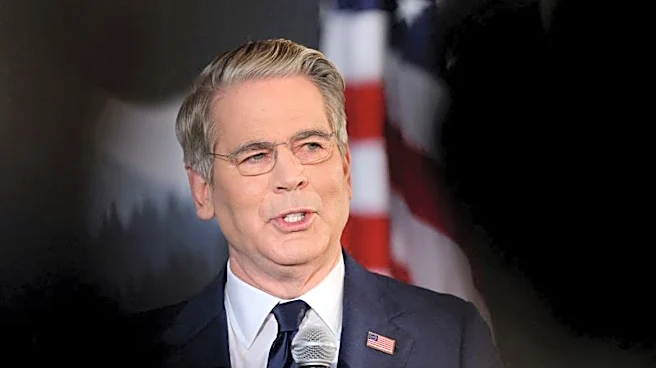
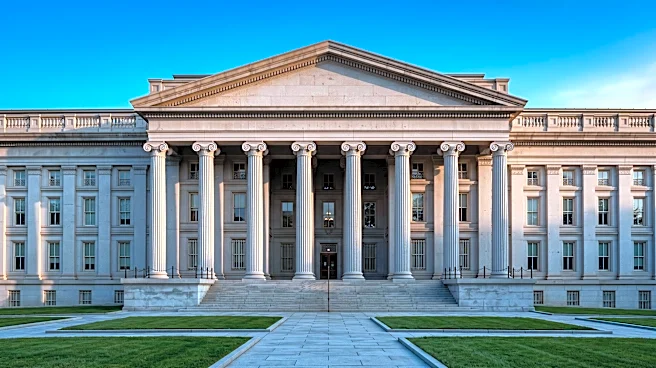
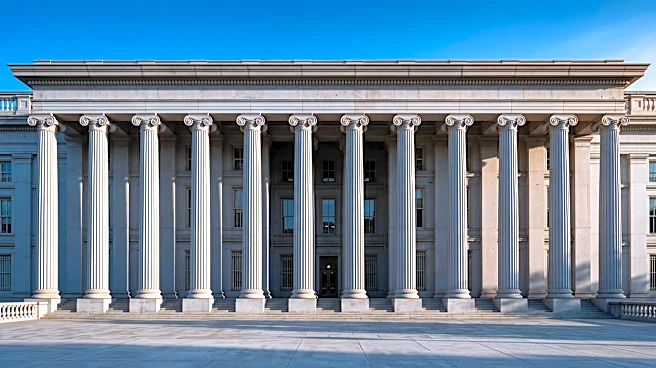
Representative John Rose (R-Tenn.) pressed Treasury Secretary Scott Bessent on the Somaliland Economic Access and Opportunity Act (H.R. 7993) during a House Financial Services Committee hearing on September 15. This occurred hours after Representative Rose hosted
President Abdirahman Mohamed Abdullahi of Somaliland in his Capitol Hill office. The bill, co-sponsored by Representative Pat Harrigan (R-N.C.) and others, aims to identify and address barriers limiting Somaliland's access to the U.S. financial system. It mandates a Treasury report within 180 days of enactment, assessing compliance with international financial norms like Know Your Customer (KYC), anti-money laundering (AML), and counter-terrorism financing (CTF) standards. The legislation also seeks recommendations for both Somaliland and the U.S. to align with IMF, World Bank, and FATF norms, and to explore steps for greater financial integration, including potential SWIFT access, though the source clarifies that SWIFT access is not the primary barrier, but rather correspondent banking relationships.
Why It's Important?
This legislative effort is significant as it seeks to formalize and strengthen financial ties between the U.S. and Somaliland, a self-declared independent state not recognized by the international community. Improved financial access could bolster Somaliland's economy, facilitate remittances, and enable businesses to engage in international trade more effectively, potentially reducing reliance on informal hawala networks. From a U.S. perspective, enhancing economic engagement with Somaliland could advance U.S. security and economic interests in the strategically important Horn of Africa, particularly in countering China's growing influence in the region. The bill's focus on financial transparency and compliance with international standards also aligns with broader U.S. efforts to combat illicit finance globally, potentially setting a precedent for engagement with other unrecognized or semi-recognized entities.
What's Next?
Treasury Secretary Scott Bessent has committed to reviewing the Somaliland Economic Access and Opportunity Act, with his international affairs department scheduled to brief him and engage with Representative Rose's staff. The bill remains before the Financial Services Committee, awaiting markup or a vote. If enacted, the Treasury Department would be required to produce a report within 180 days, outlining financial barriers and recommendations. Somaliland's President Abdullahi is expected to continue his visit in the U.S., engaging with the diaspora and potentially attending the UN General Assembly. The Bank of Somaliland has welcomed the discussion, expressing readiness to provide information to the U.S. Treasury. The process will likely involve ongoing diplomatic efforts and technical assessments to determine the feasibility and implications of greater financial integration.
Beyond the Headlines
Beyond the immediate financial implications, this initiative touches upon complex geopolitical and sovereignty issues. By engaging with Somaliland on financial access, the U.S. is navigating a delicate balance between supporting a de facto independent entity and adhering to international norms regarding state recognition. This move could be interpreted as a subtle shift in U.S. foreign policy, potentially signaling a willingness to engage with unrecognized states based on strategic interests and adherence to international financial standards. It also highlights the evolving nature of international relations, where economic and security considerations can drive engagement even in the absence of formal diplomatic recognition. The outcome could influence future U.S. interactions with other regions facing similar geopolitical complexities, particularly in areas where U.S. interests intersect with the aspirations of self-governing territories.