






What's Happening?
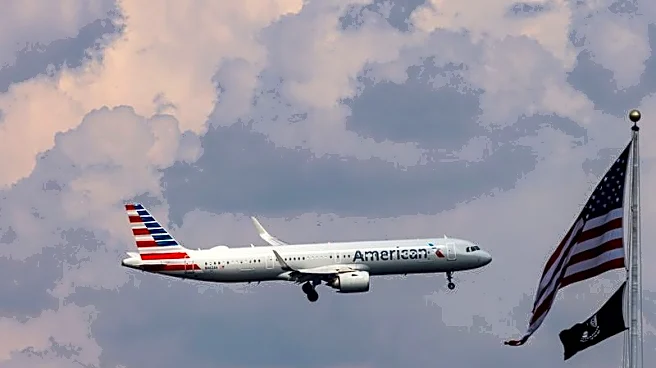
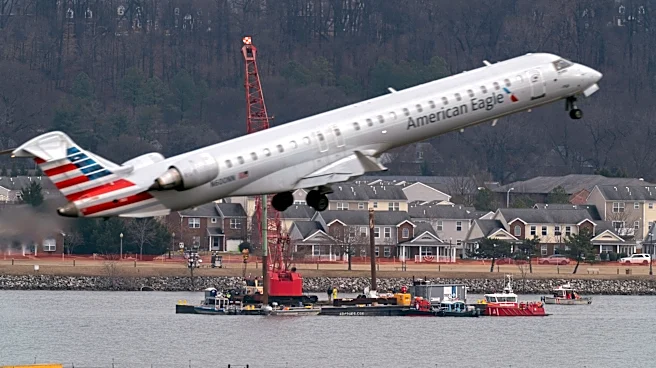
The U.S. House of Representatives has passed the Alert Act, an aviation safety bill aimed at preventing future midair collisions like the one that occurred last year between an American Airlines jet and an Army helicopter near Washington, D.C. The bill mandates
the installation of Automatic Dependent Surveillance-Broadcast In systems on aircraft to improve situational awareness and prevent collisions. The National Transportation Safety Board (NTSB) supports the revised bill, which addresses previous safety recommendations. However, some senators and victims' families believe further improvements are needed.
Why It's Important?
The passage of the Alert Act represents a significant step towards enhancing aviation safety in the U.S. by addressing systemic issues identified in the NTSB's investigation. The bill's requirements for advanced locator systems aim to prevent similar tragedies and improve air traffic management. The legislation's progress highlights the ongoing efforts to modernize the national airspace system and ensure the safety of passengers and crew. The debate over the bill's provisions reflects the complexities of balancing safety, privacy, and operational needs in aviation.
What's Next?
The Alert Act will now move to the Senate, where further negotiations and potential amendments may occur. Lawmakers will need to address concerns about military flight exemptions and ensure that the bill's safety measures are effectively implemented. The aviation industry and regulatory agencies will continue to collaborate on developing and deploying new technologies to enhance air traffic safety. The outcome of this legislative process could influence future aviation policies and safety standards.