




What's Happening?
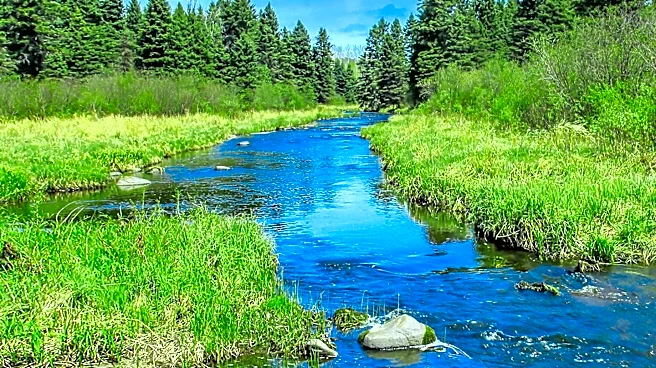
The Piscataquis County Soil & Water Conservation District is actively seeking a Stream Restoration Project Manager for a five-year, full-time position based in Dover-Foxcroft, Maine. This role is central to the Resilient Infrastructure and Free-Flowing
Streams (RIFFLS) initiative, which aims to restore aquatic organism passage at road-stream crossings on private lands. The project is funded through the USDA Natural Resources Conservation Service (USDA-NRCS) Regional Conservation Partnership Program (RCPP), with The Nature Conservancy serving as the lead partner organization. The Project Manager will be responsible for collaborating with NRCS, project partners, and private landowners on Aquatic Organism Passage (AOP) projects, which primarily involve upgrading culverts to 'Stream Smart' structures and potentially include low-head dam removal and fishways. Key duties include developing and assisting with RCPP funding applications, overseeing contract completion, and conducting site assessments.
Why It's Important?
This initiative is crucial for improving the ecological health of freshwater ecosystems in Maine. By restoring aquatic organism passage, the RIFFLS project directly addresses habitat fragmentation, which is a significant threat to aquatic biodiversity. Upgrading culverts and removing barriers allows fish and other aquatic species to move freely, access critical spawning grounds, and find suitable habitats, thereby enhancing population resilience. The project's focus on private lands means it will engage landowners directly, fostering a collaborative approach to conservation that extends beyond public lands. The funding through USDA-NRCS RCPP highlights the federal government's commitment to supporting local conservation efforts and leveraging partnerships to achieve broader environmental goals, ultimately contributing to healthier waterways and more robust aquatic populations across the region.
What's Next?
The immediate next step is the successful recruitment of a qualified Stream Restoration Project Manager. Once hired, the manager will begin developing relationships with NRCS, project partners, and landowners, and initiate the process of identifying and prioritizing sites for stream restoration. This will involve conducting road-stream crossing assessments and assisting landowners with RCPP funding applications. Over the five-year project duration, the manager will oversee the implementation of numerous AOP projects, including culvert upgrades and potential dam removals. Regular reporting to the Piscataquis County Soil & Water Conservation District Executive Director and ongoing coordination with Conservation Districts within project areas will be essential to track progress and ensure the initiative's success. The project's long-term success could lead to further funding and expansion of similar stream restoration efforts.
Beyond the Headlines
Beyond the immediate ecological benefits, this project has broader implications for community resilience and environmental education. By improving stream health, the initiative can enhance water quality, which benefits both aquatic life and human communities. The 'Stream Smart' approach to culvert upgrades also promotes infrastructure that is more resilient to extreme weather events, a growing concern with climate change. Furthermore, the project manager's role includes assisting with education and outreach activities, which will raise community awareness about freshwater ecosystems and the importance of stream restoration. This engagement can foster a sense of stewardship among residents and landowners, leading to more sustainable land management practices in the long term. The collaboration between federal agencies, non-profits, and local districts serves as a model for effective, community-driven conservation.