


What's Happening?
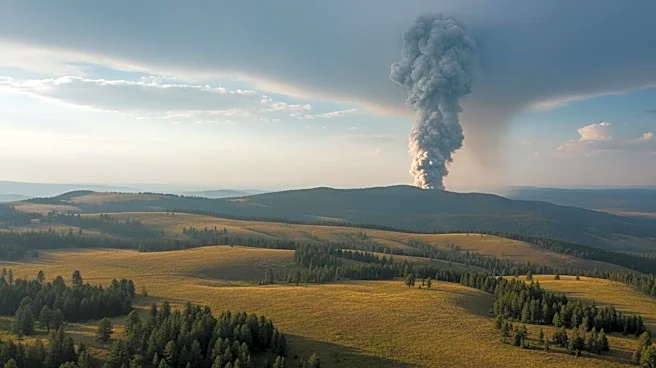
A massive fire erupted at the Explorer Pipeline facility in Glenpool, Oklahoma, after a suspected lightning strike ignited storage tanks containing natural gasoline. Emergency crews responded to the plant near 126th Street and Highway 75 around 8:30 a.m.
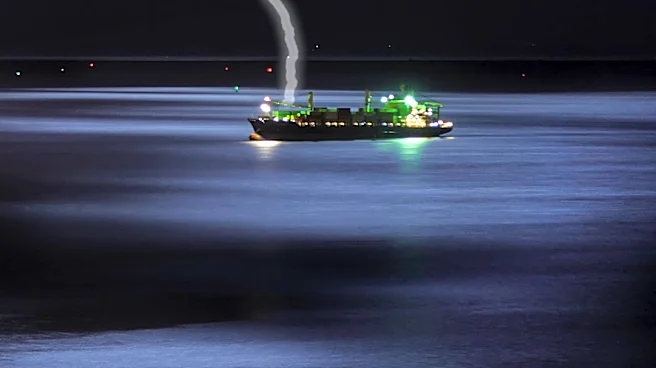
on Monday, as heavy black smoke and flames became visible across the area. According to Explorer Pipeline President and CEO Mark Hurley, severe weather conditions at the time strongly suggest a lightning strike as the cause, with no injuries reported on site. The fire initially started in one tank and subsequently spread to two others. Eyewitnesses reported seeing a lightning bolt strike the ground moments before the flames appeared. This incident marks a rare recurrence, as a nearly identical tank fire, also caused by lightning, occurred at the same Glenpool facility in June 2006.
Why It's Important?
This incident at the Explorer Pipeline facility highlights significant safety and environmental concerns associated with the storage and transportation of natural gasoline. The fire, visible for miles and accompanied by a strong chemical odor, necessitated a shelter-in-place order and voluntary evacuation recommendations for nearby residents, underscoring the immediate public health and safety risks. For the energy sector, such events can lead to operational disruptions, potential supply chain impacts, and increased scrutiny of safety protocols, particularly concerning weather-related vulnerabilities. The recurrence of a lightning-induced fire at the same location also raises questions about the adequacy of existing protective measures against natural phenomena and the long-term resilience of critical energy infrastructure.
What's Next?
Emergency responders, including specialized firefighting teams, are actively working to extinguish the blaze using chemical foam. By late Monday afternoon, officials confirmed that one of the two burning tanks had been extinguished, with efforts shifting to the second tank. The shelter-in-place order was lifted after air quality monitoring confirmed no immediate ground-level hazards, though a voluntary evacuation recommendation remains for residents between 126th Street and 131st Street South, from Elwood Avenue to Highway 75. Firefighter crews will continue to monitor the site and cool any hotspots throughout the night, with ongoing air quality monitoring. Explorer Pipeline has stated the fire is no longer actively burning, and foam application will continue on a maintenance basis.
Beyond the Headlines
The Glenpool pipeline facility fire, triggered by a lightning strike, brings to light the broader implications of climate and weather events on industrial infrastructure. As extreme weather patterns become more frequent, the vulnerability of critical facilities, such as those storing flammable materials, increases. This incident prompts a deeper examination of risk assessment and mitigation strategies for energy infrastructure, particularly in regions prone to severe thunderstorms. It also underscores the importance of community preparedness and emergency response coordination in protecting public safety and minimizing environmental impact. The long-term consequences could include enhanced regulatory oversight, investments in advanced lightning protection systems, and a reevaluation of facility siting and design in the face of changing climatic conditions.