





What's Happening?
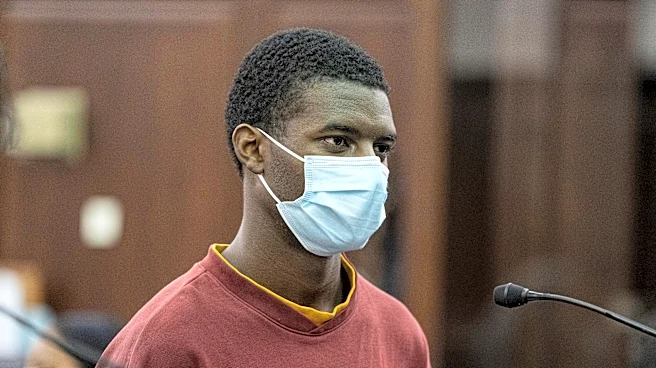
A Bronx judge has sentenced former NYPD Sergeant Erik Duran to 3-to-9 years in prison for fatally throwing a picnic cooler at a fleeing drug suspect, Eric Duprey, during an undercover sting operation in August 2023. Judge Guy Mitchell stated that the
sentence serves as a 'general deterrent' to other police officers, despite criticism from law enforcement and legal experts who view the punishment as extreme. Duran was found guilty of manslaughter in February, and his legal team, along with many officers, had urged the judge not to impose a prison sentence. The decision has sparked controversy, with some arguing that Duran's actions were a reflex response in a high-pressure situation. The case has drawn attention to the accountability of police officers and the legal system's role in addressing misconduct.
Why It's Important?
The sentencing of Erik Duran highlights ongoing debates about police accountability and the justice system's approach to handling cases of misconduct. The decision may influence how future cases involving police actions are judged, potentially leading to stricter penalties for officers found guilty of excessive force or misconduct. This case underscores the tension between law enforcement practices and public expectations for accountability and justice. It also raises questions about the balance between supporting police officers in their challenging roles and ensuring they are held responsible for their actions. The outcome may impact police training and policies, encouraging departments to review their procedures and emphasize de-escalation techniques.
What's Next?
The case is likely to be appealed, with legal experts suggesting that the sentence could stand due to its alignment with sentencing guidelines. The decision may prompt discussions within law enforcement agencies about the implications of such rulings on police conduct and morale. Advocacy groups and civil rights organizations may use this case to push for reforms in police accountability and transparency. The broader impact on police-community relations could lead to increased efforts to build trust and improve communication between law enforcement and the public.