






What's Happening?
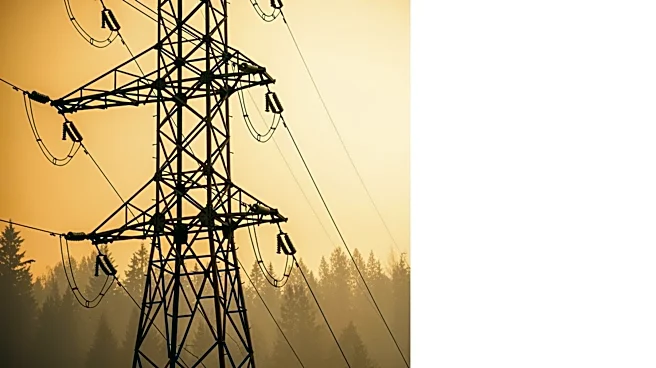
The Oregon Court of Appeals has issued a ruling that may affect over $1 billion in damages awarded to victims of the 2020 wildfires in Oregon. The court found that a jury instruction during a 2023 trial was legally erroneous. This trial had found PacifiCorp
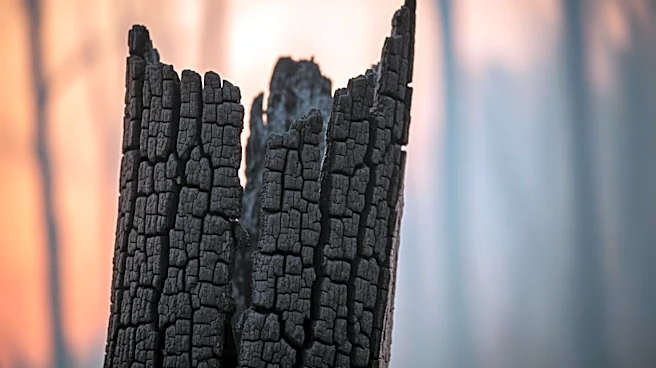
liable for not cutting power despite warnings, leading to the decision to award damages to a class of property owners. The appellate court's decision to remand the case back to a lower court is based on the jury being instructed to apply evidence from four different wildfires to all class members, which the judges deemed prejudicial to PacifiCorp. The wildfires in question include the Santiam Canyon, Echo Mountain Complex, South Obenchain, and 242 fires, which collectively caused significant destruction and loss of life.
Why It's Important?
This ruling is significant as it could alter the financial liabilities of PacifiCorp, a major utility company, and impact the compensation for thousands of wildfire victims. The decision highlights the complexities of class-action lawsuits, especially in cases involving widespread natural disasters. For PacifiCorp, the ruling offers a potential reprieve from the substantial financial burden imposed by the previous jury's decision. For the victims, it introduces uncertainty regarding the compensation they might receive. The case underscores the challenges in attributing liability and damages in large-scale environmental disasters, which can have far-reaching implications for utility companies and their operational practices.
What's Next?
The case will return to a lower court for further proceedings, where the jury instruction issue will need to be addressed. Plaintiffs' attorneys may consider appealing the appellate court's decision to the state supreme court. Meanwhile, PacifiCorp has expressed willingness to resolve reasonable claims while defending against unsupported ones. The outcome of this case could influence future litigation strategies and regulatory policies concerning utility companies' responsibilities during natural disasters. Additionally, more than 1,000 class members have trials scheduled for 2026 and 2027, which could further shape the legal landscape for wildfire-related claims.