






What's Happening?
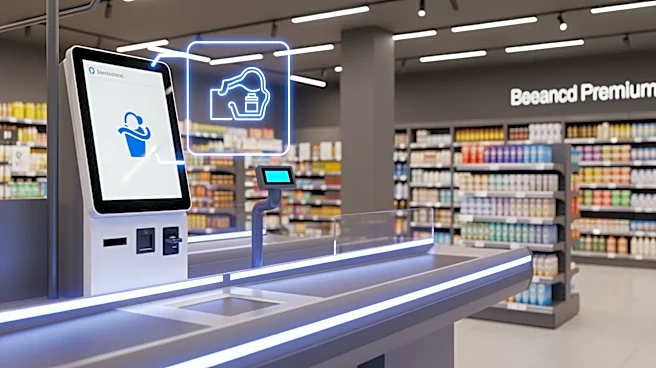
The Santa Ana City Council has unanimously approved a new local law aimed at regulating self-service checkouts in retail stores. This decision follows similar actions taken by other California cities like Long Beach and Costa Mesa. The regulation is designed
to address concerns over theft, accessibility, and employee workloads. Under the new law, stores will be required to maintain at least one fully staffed traditional checkout lane whenever self-checkout is available. Additionally, self-checkout transactions will be capped at 15 items, and customers will be prohibited from using self-checkout for age-restricted products or items secured with theft-deterrent tags. The ordinance also allows for civil penalties against establishments that violate the law.
Why It's Important?
The regulation of self-service checkouts in Santa Ana is significant as it reflects a growing trend among cities to address the challenges posed by these systems. The move is intended to deter retail theft, which has become a growing concern, and to ensure that employees are not overburdened by the demands of monitoring multiple transactions. The law also aims to provide better service options for seniors and individuals with disabilities. While the ordinance has received support from labor unions, it has faced criticism from the California Growers Association, which argues that such regulations could disadvantage local grocers by removing self-checkout options and increasing operational burdens.
What's Next?
The ordinance requires a second vote from the Santa Ana City Council before it can be enacted. If approved, the new rules will take effect 30 days later. Retailers in Santa Ana will need to adjust their operations to comply with the new requirements, potentially leading to changes in staffing and checkout processes. The ongoing debate between labor unions and business associations may continue as other cities consider similar regulations, potentially influencing broader policy discussions on the balance between automation and traditional employment in retail environments.