
What's Happening?
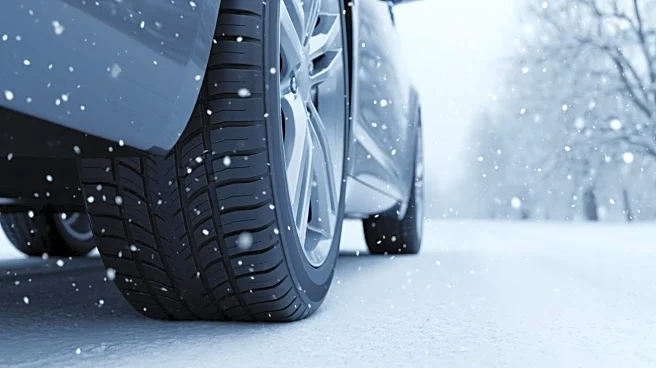
Consumer Reports has issued a detailed advisory on the dangers of winter driving and how motorists can prepare their vehicles for cold weather conditions. The report emphasizes the importance of winter-proofing
cars to prevent accidents and breakdowns, which are common during the winter months. Key recommendations include ensuring proper tire pressure and tread depth, maintaining good windshield wipers, and having an adequate supply of washer fluid. The report also highlights the risks posed by black ice, which can form invisibly on roads, leading to dangerous driving conditions. Additionally, the report addresses the challenges faced by electric vehicle drivers, who may experience a reduction in vehicle range by up to 30% in freezing temperatures.
Why It's Important?
The advisory from Consumer Reports is crucial as it addresses the safety of millions of drivers who face hazardous winter conditions annually. With approximately 100,000 crashes involving sleet or snow conditions reported in 2023, the guidance aims to reduce accidents and enhance road safety. The emphasis on vehicle preparation and cautious driving can help prevent loss of control and reduce the severity of accidents. For electric vehicle owners, understanding the impact of cold weather on vehicle range is vital for planning longer trips and avoiding being stranded. Overall, the report serves as a timely reminder for drivers to take proactive measures to ensure their safety and the safety of others on the road during winter.
What's Next?
As winter progresses, drivers are encouraged to implement the safety tips provided by Consumer Reports to minimize risks. Motorists should regularly check their vehicles for winter readiness and adjust their driving habits to suit road conditions. Electric vehicle owners, in particular, should plan their routes carefully, considering the reduced range in cold weather. Additionally, keeping an emergency kit in the car is advised to handle unexpected situations. The report may prompt further discussions among automotive safety experts and policymakers on improving winter driving safety standards and infrastructure.