






What's Happening?
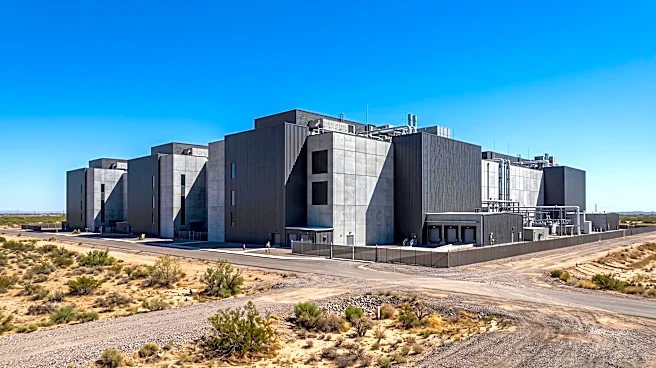
Michigan-based developer Takanock is proposing to build a large data center campus, known as "Project Eagle," along with its own natural gas power generation facility, on property currently located in unincorporated Maricopa County, near Litchfield Road
and Olive Avenue. The city of Glendale is currently in the process of annexing this property. During a recent City Council workshop, councilmembers clarified that the annexation decision itself would not determine the development of the data center, as the developer already possesses the necessary entitlements. This statement has caused frustration among some residents, like Waddell resident April Butler, who expressed concerns about air quality, water usage, noise, and the project's proximity to Luke Air Force Base. Conversely, Surprise resident Lisa Everett supports the project, highlighting that it would be required to comply with existing regulations for noise, air quality, and lighting, and that the location has long been zoned for industrial use. Glendale officials anticipate the project could generate millions of dollars annually for the city and create jobs.
Why It's Important?
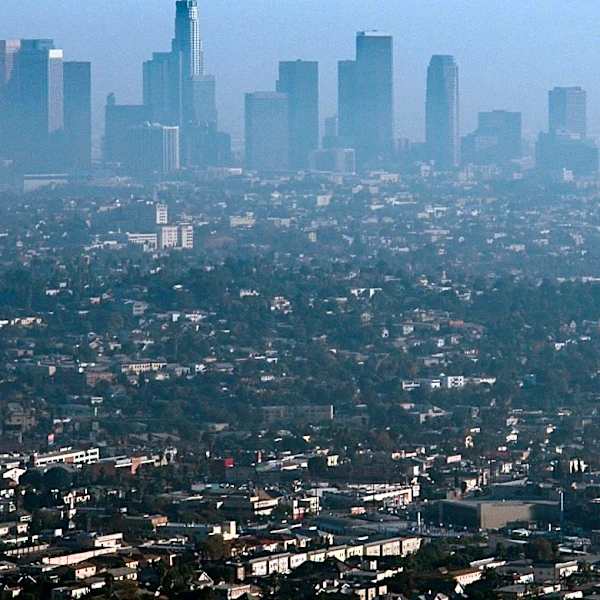
This development is significant for several reasons. Economically, the proposed data center could bring substantial tax revenue and job creation to Glendale, offering a boost to the local economy. However, it also highlights a growing tension between economic development and environmental concerns within communities. Residents' worries about air quality, water consumption, and noise pollution from a natural gas power generation facility underscore the broader challenges of balancing industrial growth with community well-being and environmental protection. The project's location near Luke Air Force Base also raises questions about potential impacts on military operations and surrounding residential areas. The differing opinions among residents reflect a common dilemma faced by municipalities: how to attract lucrative investments while addressing the legitimate concerns of their constituents regarding quality of life and environmental sustainability. The outcome of Glendale's annexation process and the subsequent development of Project Eagle could set a precedent for similar large-scale industrial projects in other U.S. communities.
What's Next?
The annexation process for the property is not yet complete, and residents on both sides of the issue plan to continue advocating for their positions. The Glendale City Council will proceed with its deliberations on the annexation, which, as councilmembers have stated, is separate from the data center's development approval. However, the annexation could streamline future regulatory processes for the project within Glendale's jurisdiction. Stakeholders, including local residents, environmental groups, and the developer Takanock, will likely continue to engage with city officials and the public to influence the project's progression. The city will need to address the concerns raised by residents regarding environmental impacts and ensure that the project adheres to all relevant regulations, including those related to air quality, water use, and noise. The long-term implications for the region's infrastructure, particularly water resources and energy supply, will also be a critical focus as the project moves forward.
Beyond the Headlines
The debate surrounding Project Eagle extends beyond immediate economic and environmental concerns, touching upon deeper issues of community voice and the future of urban planning in rapidly developing areas. The frustration expressed by some residents, feeling dismissed despite ongoing public processes, highlights a potential disconnect between local government and its constituents. This situation underscores the importance of transparent communication and genuine public engagement in large-scale development projects. Furthermore, the project's reliance on a natural gas power generation facility raises questions about long-term energy strategies and the transition to more sustainable power sources, especially in a region prone to environmental challenges. The decision-making process in Glendale could influence how other cities approach similar industrial developments, particularly those involving significant energy and resource consumption, and how they balance economic incentives with environmental stewardship and community input. It also brings to light the challenge of integrating industrial zones with residential areas, particularly when the industrial use involves potentially impactful operations.