



What's Happening?
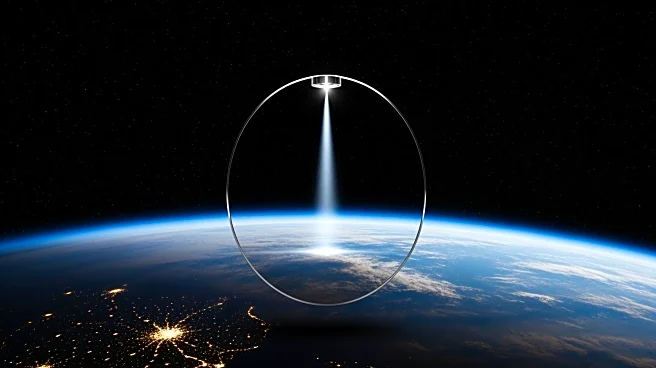
Reflect Orbital, a California-based startup, plans to launch 4,000 space mirrors to reflect sunlight onto Earth at night, potentially outshining the Moon. The first test satellite, Earendil-1, is scheduled for launch in April 2026. These mirrors aim to provide
on-demand illumination for solar power sites and critical areas during nighttime, using a sun-synchronous orbit to capture and redirect sunlight. However, the project has faced backlash from astronomers and environmentalists due to concerns about light pollution and its impact on astronomical observations and wildlife.
Why It's Important?
The introduction of space mirrors could revolutionize energy resilience and critical operations by providing consistent nighttime illumination. However, the potential increase in sky brightness poses significant challenges for astronomical research, as reflective satellites can interfere with telescope images and obscure celestial observations. Additionally, the impact on wildlife and human health due to altered natural light cycles raises ethical and environmental concerns. The project highlights the need for global regulations on space-based technologies that affect the Earth's environment.
What's Next?
As Reflect Orbital moves forward with its plans, the astronomical community and environmental groups are likely to intensify their scrutiny and advocacy for regulatory measures. The Federal Communications Commission's approval process for the test satellite will be closely watched, and the outcomes could set precedents for future space-based projects. The debate over the balance between technological innovation and environmental preservation is expected to continue, with potential implications for international space policy.