


What's Happening?
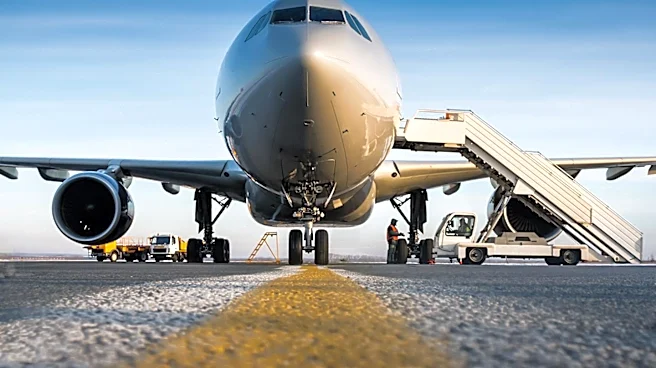
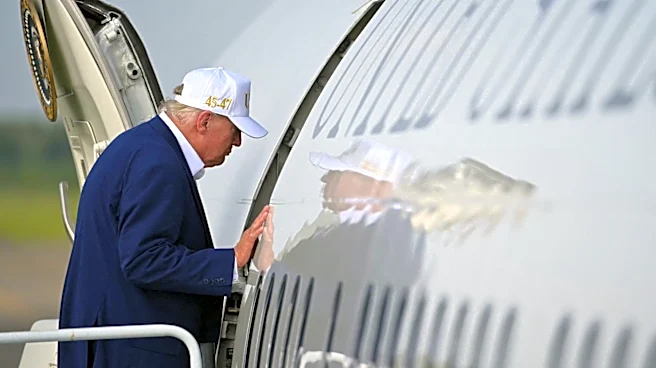
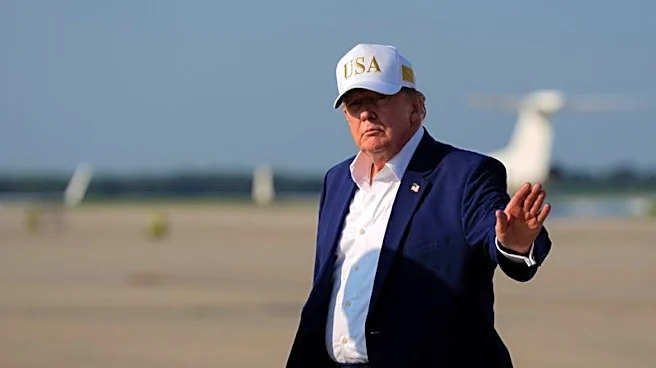
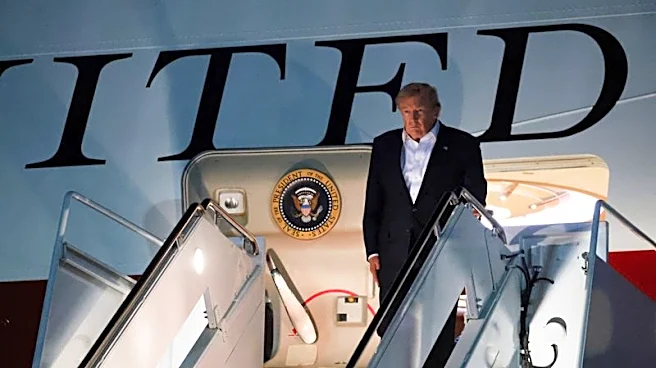
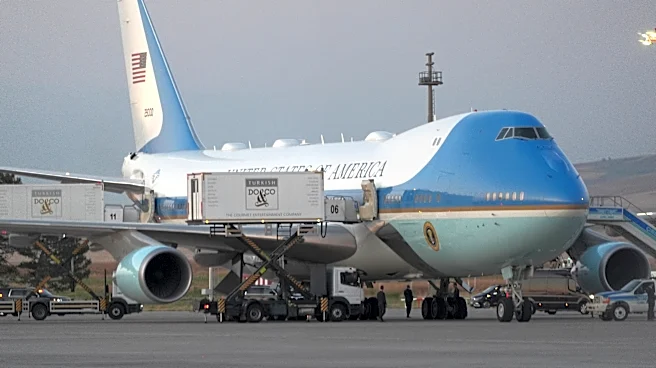
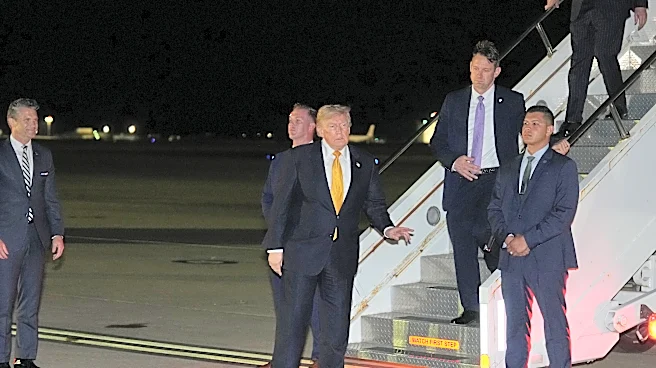
President Trump confirmed that during a trip to Turkey in July, he was secretly moved off Air Force One due to a security threat. The Secret Service and military advised him to board a different plane after a credible threat from Iran was identified.
This incident, initially reported by The Washington Post, involved Trump being discreetly transferred to another aircraft while Air Force One was used as a decoy. Trump downplayed the situation, stating that he was not overly concerned about the threat and that he often receives such threats. The details of the threat and the subsequent actions taken remain largely undisclosed by the White House.
Why It's Important?
This incident highlights the complexities and risks involved in presidential security, especially during international trips. The decision to secretly move President Trump underscores the seriousness of the threat and the lengths to which security agencies will go to protect the President. It also raises questions about transparency and the balance between security and public information. The use of a decoy plane and the secrecy surrounding the event reflect the high-stakes nature of presidential security operations. This situation could impact public trust and the perception of safety measures taken by the administration.
What's Next?
The White House may face pressure to provide more details about the incident and the nature of the threat. There could be calls for a review of security protocols for presidential travel, especially in regions with heightened tensions. The incident might also influence future decisions regarding the disclosure of presidential movements and the handling of security threats. Stakeholders, including political leaders and security experts, may engage in discussions about improving transparency while ensuring the President's safety.