





What's Happening?
Global Water Works (GWW) is actively engaged in rainwater harvesting initiatives primarily in Kenya and Uganda. These projects aim to establish locally managed water sources at community sites, including churches and schools. The systems are designed
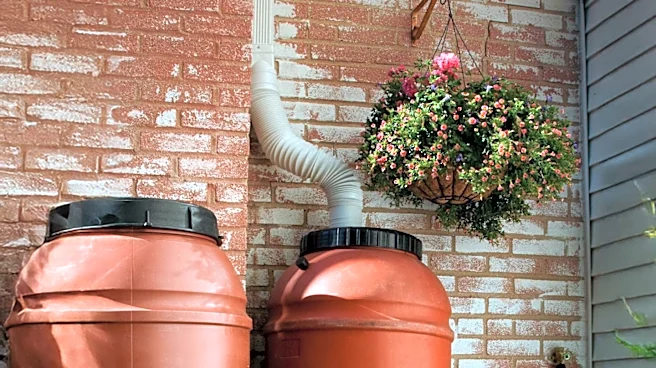
to be gravity-fed, eliminating the need for electric pumps. The process involves collecting rainfall from roof gutters, which is then filtered through leaf screens and first-flush devices to remove debris. The collected water is stored in tanks and distributed by gravity, with provisions for water checks and appropriate treatment to ensure it is safe for drinking. A crucial component of these projects is the training of local adults in maintenance procedures, hygiene practices, and water stewardship, ensuring the long-term sustainability and community management of these water sources. Pastors and volunteers play a significant role in maintaining these sites and serving their communities.
Why It's Important?
The implementation of rainwater harvesting systems by Global Water Works in Kenya and Uganda addresses a critical need for accessible and sustainable water sources in these regions. By providing locally managed water, these projects empower communities, reduce reliance on distant or unreliable water supplies, and improve public health through access to treated drinking water. The gravity-fed design minimizes operational costs and environmental impact, making these solutions particularly suitable for areas with limited infrastructure and electricity. Furthermore, the emphasis on training local adults fosters self-sufficiency and ensures that the benefits of these systems are sustained over time. This approach not only provides immediate access to water but also builds community capacity and promotes long-term water security, contributing to improved living standards and reduced water-borne diseases.
What's Next?
Global Water Works plans to continue its focus on rainwater harvesting in Kenya and Uganda, with ongoing efforts to expand its network and reach more communities. The organization encourages partnerships with churches and other organizations to sponsor systems, engage congregations, and support local pastors through prayer and practical service. Individuals are also invited to join the GWW community by praying for communities in need of water, sharing their stories, and contributing their skills to the global network. The sustained training of local adults in maintenance and hygiene will be crucial for the continued success and longevity of these projects. Future efforts will likely involve further development of robust, scientifically designed harvesting structures to ensure long-term safety and durability, as highlighted by similar initiatives in other regions.
Beyond the Headlines
The work of Global Water Works extends beyond simply providing water; it embodies a broader commitment to community development and empowerment. By integrating local pastors and volunteers into the management and maintenance of these systems, GWW fosters a sense of ownership and collective responsibility within the communities. This model not only ensures the practical success of the water projects but also strengthens social cohesion and local leadership. The focus on training and sustainability addresses the ethical imperative of providing lasting solutions rather than temporary aid, promoting self-reliance and dignity. This approach highlights the interconnectedness of water access with broader issues of public health, education, and economic stability, demonstrating how a fundamental resource can be a catalyst for comprehensive community upliftment.