




What's Happening?
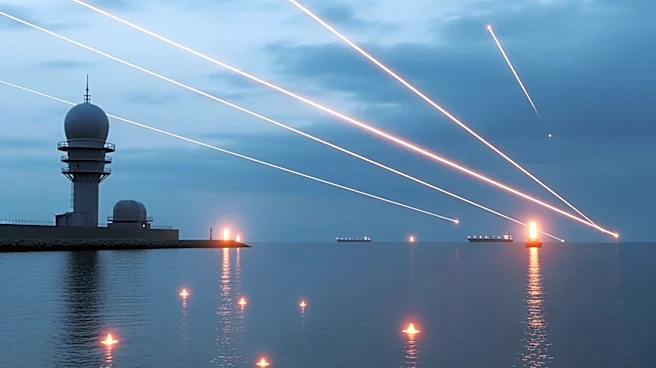
President Trump has rejected Iran's latest response to a U.S. ceasefire proposal aimed at ending the ongoing conflict. Iran's response included demands for lifting U.S. sanctions, ending the blockade on Iranian ports, and unfreezing assets. The U.S. initiated
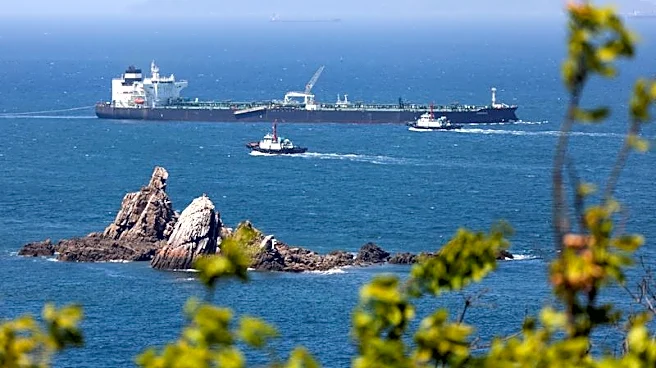
the conflict to address Iran's nuclear program and regional influence. Iran's closure of the Strait of Hormuz has led to global economic repercussions, including higher fuel prices. The rejection of the proposal underscores the challenges in reaching a diplomatic resolution and highlights the strategic importance of the Strait of Hormuz.
Why It's Important?
The continued stalemate between the U.S. and Iran has significant implications for global energy markets and regional stability. The Strait of Hormuz is a critical passage for oil shipments, and its closure affects global supply chains and fuel prices. The conflict also impacts U.S. domestic politics, as rising fuel costs could influence public opinion and electoral outcomes. Internationally, the situation tests diplomatic relations and the ability of global powers to mediate and resolve complex geopolitical issues. The ongoing tensions highlight the interconnectedness of energy security and international diplomacy.
What's Next?
Diplomatic efforts are expected to continue, with potential involvement from international mediators to facilitate negotiations. The U.S. may seek to leverage alliances and partnerships to apply pressure on Iran for a resolution. The situation remains fluid, with potential for further military or diplomatic developments. Monitoring the impact on global oil markets and regional security will be crucial in assessing the broader implications of the conflict.