




What's Happening?
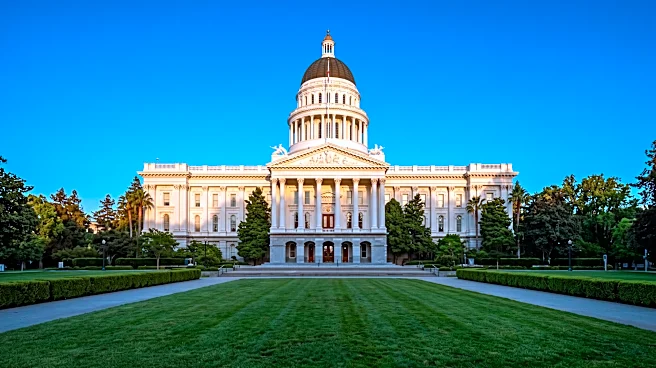
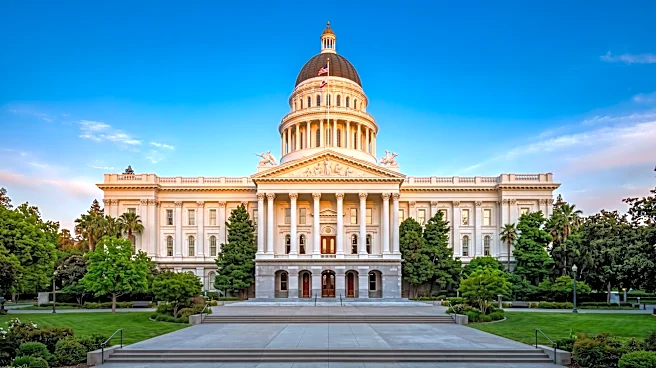
California lawmakers are considering a proposal to allocate $20 million from transportation funds to cover personal security details for current and former state elected officials, including Governor Gavin Newsom. This funding would provide California Highway
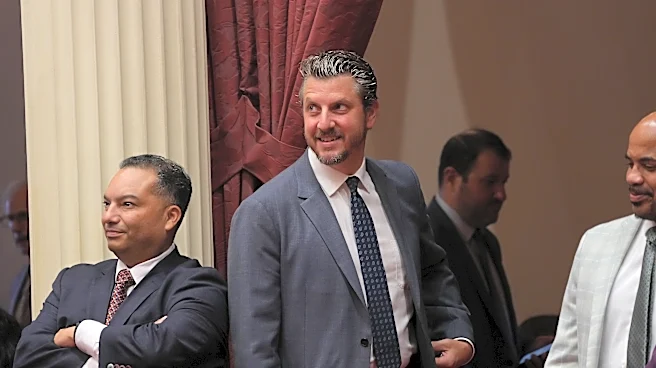
Patrol officers for personal security, based on threat assessments. The proposal is part of a 300-page spending bill that lawmakers are expected to vote on. The money would specifically come from the state's motor vehicle account, which is funded by driver registration fees. State Senate's Republican Vice Chairman of the Budget Committee, Roger Niello, has expressed concerns, calling the proposal inappropriate and potentially unconstitutional, especially given that the motor vehicle account is projected to be bankrupt within 2 to 3 years. Governor Newsom's office stated that they do not comment on sensitive security information but emphasized the rising threats against public officials.
Why It's Important?
This proposal raises significant questions about the allocation of public funds and the priorities of state government. Diverting money from the motor vehicle account, which is already facing financial challenges, for personal security could impact essential transportation projects and services. Critics argue that using driver registration fees for this purpose is an misuse of funds, especially when alternative funding sources, such as campaign funds, are available for security. The debate also highlights the increasing security concerns for public officials, a trend that has broader implications for political discourse and public service. The potential use of state resources for security details for former officials, particularly those with national political aspirations, could set a precedent and spark further discussion about the scope of state responsibility for personal protection.
What's Next?
California lawmakers are scheduled to vote on the spending bill containing this proposal. If approved, the $20 million would be set aside for the security of current and former elected officials. The implementation of this funding would depend on threat assessments conducted by law enforcement. The controversy surrounding the use of motor vehicle account funds is likely to continue, with potential legal challenges or public outcry. The financial health of the motor vehicle account will remain a critical issue, and lawmakers may need to address its projected bankruptcy in the near future. The broader discussion about security for public officials and the appropriate funding mechanisms for such protection is also expected to persist, potentially influencing future legislative decisions.
Beyond the Headlines
The proposal to fund personal security for elected officials from driver fees touches upon deeper issues of public trust, government accountability, and the evolving nature of political threats. In an era of heightened political polarization, the safety of public servants has become a pressing concern. However, the method of funding this security can significantly impact public perception and trust in government. The use of a financially strained account for this purpose could be seen as prioritizing the protection of individuals over broader public infrastructure needs. This situation also underscores the challenges of balancing security imperatives with fiscal responsibility and public expectations. The outcome of this vote and the subsequent public reaction could influence how states approach security for their officials, potentially leading to more transparent and equitable funding solutions in the future.