
What's Happening?
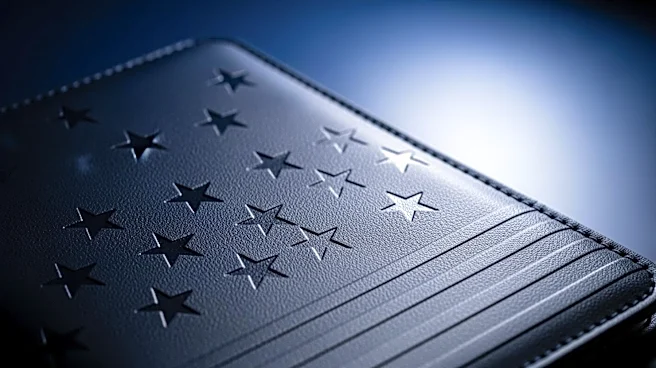
President Trump has been placing his name and likeness on various government buildings, programs, and items during his second term. This includes a proposed limited-edition US passport featuring his face
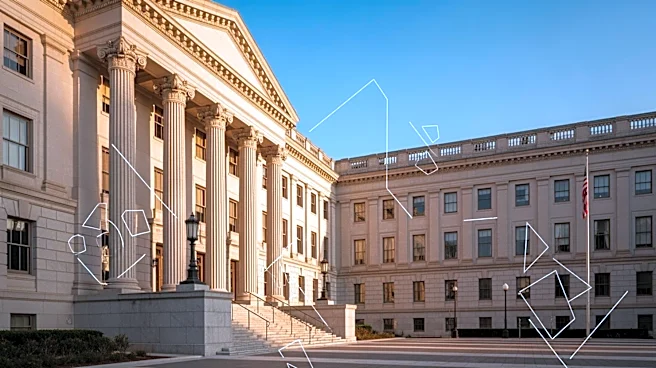
to commemorate the nation's 250th anniversary. Other instances include branding on the Labor Department, the US Department of Agriculture, and the US Department of Justice buildings. Additionally, Trump has introduced a meme collection coin and proposed designs for a semiquincentennial $1 coin. These actions have sparked discussions about the extent of personal branding in government-run entities.
Why It's Important?
The branding of government buildings and programs with President Trump's name and likeness raises questions about the intersection of personal branding and public office. It highlights the potential for political figures to influence public perception and national identity through personal branding. This trend could set a precedent for future administrations, affecting how government resources and symbols are utilized for personal or political gain. The move may also impact public opinion, with supporters viewing it as a celebration of national achievements, while critics may see it as an overreach of personal influence in public affairs.
What's Next?
As President Trump continues to brand government entities, there may be increased scrutiny and debate over the appropriateness and implications of such actions. Legal and ethical discussions could arise regarding the use of public resources for personal branding. The administration may face challenges from political opponents and watchdog groups concerned about the potential blurring of lines between personal and public interests. Future administrations may also consider the impact of these actions when determining their own branding strategies.