









What's Happening?
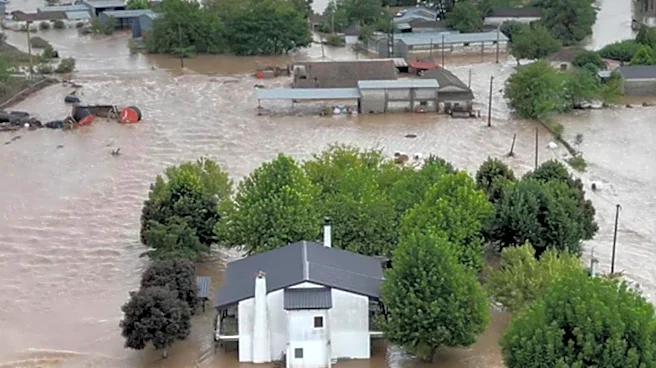
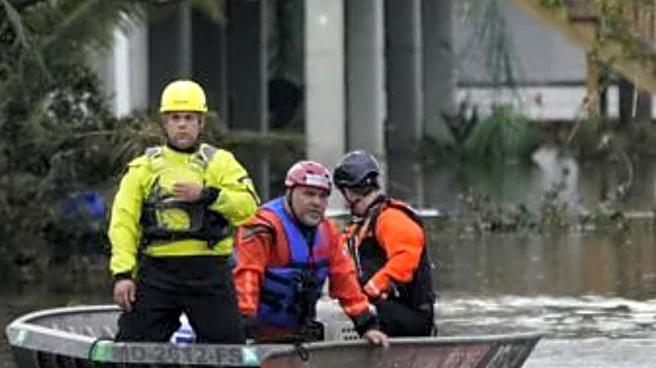
Kentucky is experiencing severe flooding that has resulted in at least four fatalities and prompted Governor Andy Beshear to declare a state of emergency. The declaration allows for the deployment of additional resources to aid in search and rescue operations.
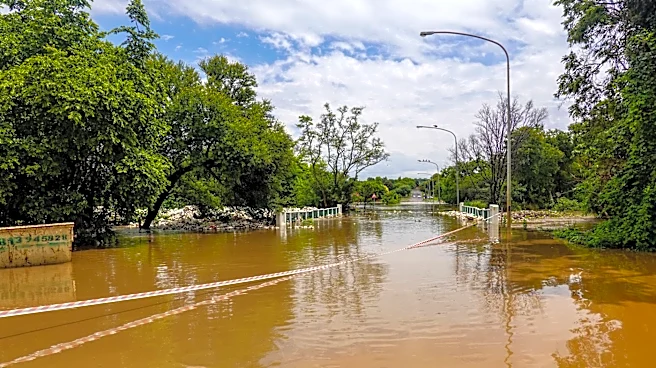
The flooding has been caused by heavy rainfall, with some areas receiving six to seven inches of rain. The situation is expected to worsen as a second wave of rainfall is predicted. The governor has urged residents to avoid unnecessary travel, especially after dark, due to the dangerous conditions. Several counties, including Bullitt, Madison, Meade, Mercer, and Spencer, have also declared local states of emergency. In Madison County, significant roads are underwater, and search and rescue teams are actively working to assist those affected.
Why It's Important?
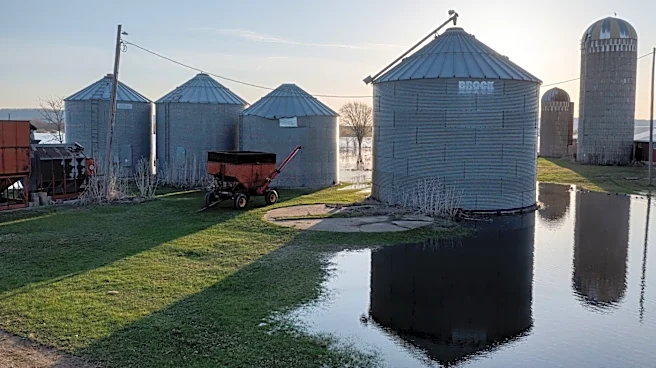
The flooding in Kentucky highlights the increasing frequency and severity of extreme weather events, which pose significant challenges to public safety and infrastructure. The state of emergency declaration is crucial for mobilizing resources and ensuring a coordinated response to the crisis. The impact on local communities is profound, with homes and roads inundated, leading to evacuations and rescue operations. This event underscores the need for robust emergency preparedness and response strategies to mitigate the effects of such natural disasters. The economic implications are also significant, as the damage to infrastructure and property could require substantial recovery efforts and financial assistance.
What's Next?
As the situation develops, continued monitoring of weather conditions and the effectiveness of rescue operations will be critical. The state government, along with local authorities, will need to assess the damage and begin planning for recovery and rebuilding efforts. There may be calls for increased investment in flood prevention and infrastructure resilience to better prepare for future events. Additionally, the response to this disaster could influence public policy discussions on climate change and emergency management at both the state and national levels.