
What's Happening?
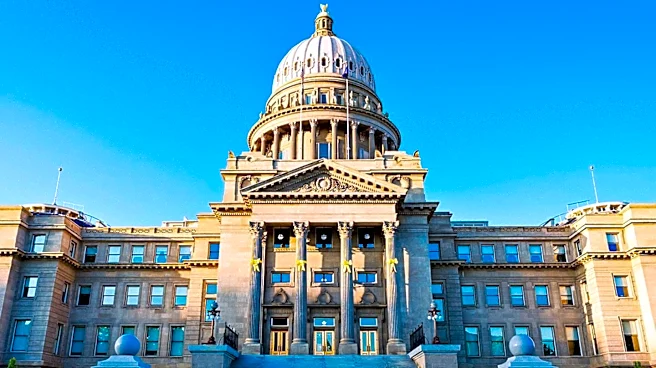
A new report from the Idaho State Tax Commission indicates that the state's $50 million Parental Choice Tax Credit program largely benefits wealthy families whose children were already enrolled in private
schools. The report, released for the first time, shows that 12,216 students received a tax credit or advance payment, with 80.7% attending private schools and 19.3% homeschooling. Crucially, 74.7% of these students had never attended a public school. The average adjusted gross income for recipient households is $178,000, significantly higher than Idaho's median household income of $84,234. Additionally, 93.5% of the tax credits covered tuition expenses. The program, established last year through House Bill 93 by GOP members of the Legislature and Governor Brad Little, was initially promoted as a means to help students who couldn't otherwise afford private education options. The Idaho Education Association (IEA) has criticized the program, calling it a 'failed experiment' and noting that nearly two-thirds of awards went to students in three urban counties: Ada, Canyon, and Kootenai.
Why It's Important?
This report challenges the stated purpose of Idaho's Parental Choice Tax Credit program, suggesting it acts more as a subsidy for affluent families rather than a pathway for low-income students to access private education. The findings could fuel ongoing debates about the equitable distribution of public funds and the role of school choice programs in the U.S. education system. Critics argue that such programs divert taxpayer money to private institutions without significantly expanding educational access for those most in need, potentially exacerbating educational inequalities. The IEA's assertion that the program primarily benefits wealthy families in urban areas highlights concerns about the program's reach and impact across the state. This situation could influence future legislative decisions regarding education funding and tax credit programs in Idaho and serve as a case study for other states considering similar initiatives.
What's Next?
The release of this report is likely to intensify calls for reform or repeal of the Parental Choice Tax Credit program, particularly from Democratic lawmakers and public education advocates. House Minority Leader Ilana Rubel has already stated that 'voters deserved this information before casting their ballots' and suggested repealing the program or ending subsidies for higher-income families. While Governor Brad Little's administration maintains that the report provides valuable data for evaluating the program's effectiveness and identifying areas for improvement, the political pressure to re-evaluate its structure and beneficiaries is expected to mount. Future legislative sessions in Idaho may see renewed efforts to amend or challenge the program, potentially focusing on income thresholds or prior public school attendance requirements to ensure the credits align more closely with their stated goals of expanding educational access.
Beyond the Headlines
The Idaho report on private education tax credits touches upon a broader national discussion regarding school choice and its implications for public education. The argument that such programs disproportionately benefit families already committed to private education, rather than providing new opportunities for disadvantaged students, is a recurring theme in debates across various states. This raises fundamental questions about the purpose of public funding for private education and whether it genuinely fosters educational equity or merely subsidizes existing choices for a select demographic. The ethical dimension of using taxpayer money to support religious or 'elitist' education, as suggested by IEA President Peggy Hoy, also comes to the forefront. This development in Idaho could contribute to a re-evaluation of similar voucher or tax credit programs nationwide, prompting a closer look at their actual impact versus their intended goals.