



What's Happening?
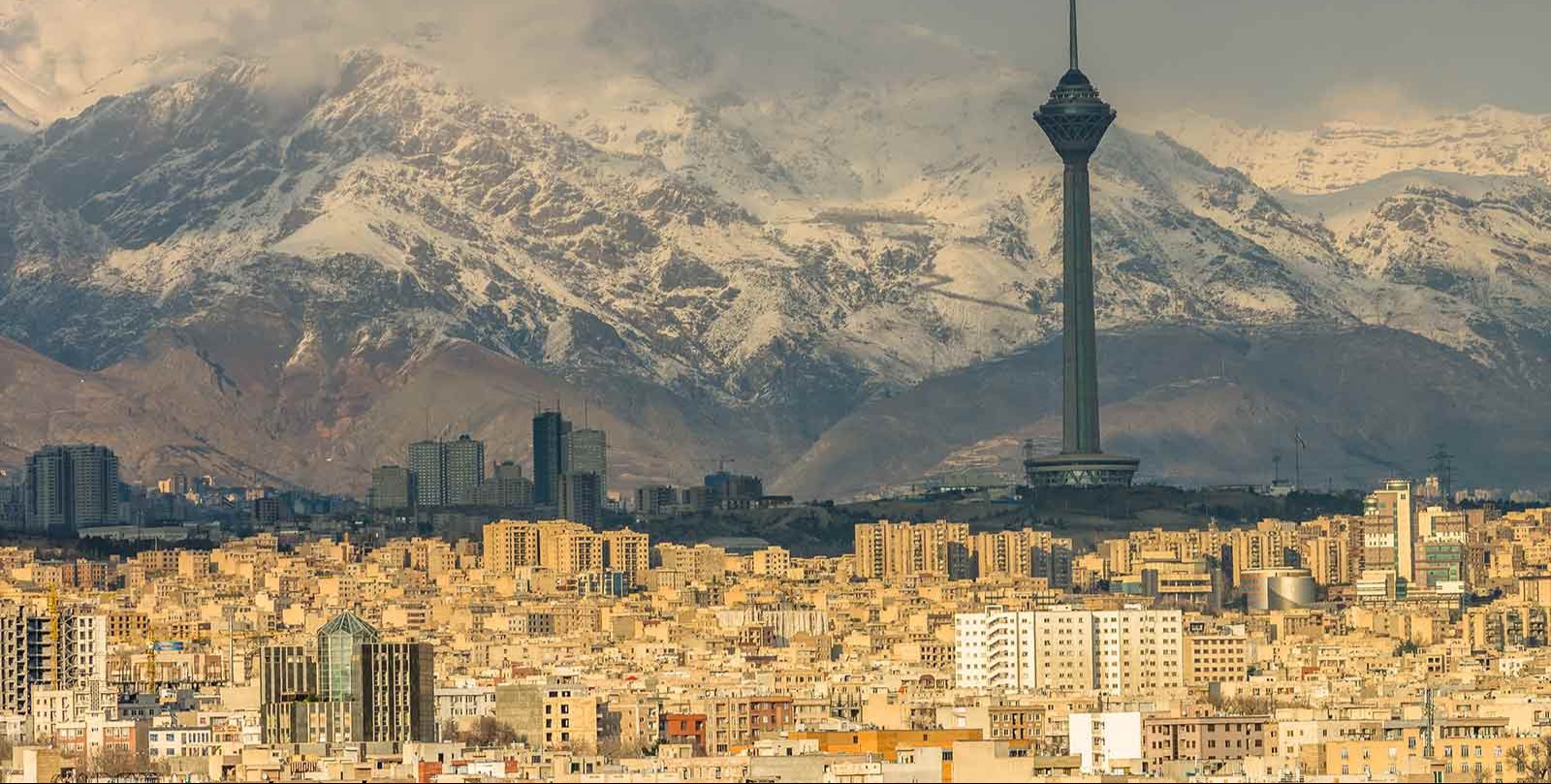
Iran is experiencing a complete internet shutdown, now entering its fourth day, as the government attempts to suppress ongoing protests. The protests began following rapid hyperinflation of the Iranian rial, leading to a general strike by shopkeepers
and escalating into nationwide demonstrations. In response, the Iranian government has implemented a nationwide internet blackout, reportedly using military-grade jamming to block Elon Musk's Starlink satellite service, which had previously served as a communication lifeline for protesters. Reports indicate that tens of thousands of Starlink terminals have been smuggled into Iran to counter government control, but the effectiveness of these efforts has been severely compromised by the jamming. The Human Rights Activists News Agency reports significant casualties and detentions since the protests began, with 544 deaths and over 10,600 people detained.
Why It's Important?
The internet blackout in Iran has significant implications for both the country's economy and the global perception of internet freedom. The shutdown is costing Iran's economy approximately $1.56 million every hour, affecting digital transactions and essential services like hospitals and schools. The use of military-grade jamming to block Starlink highlights the lengths to which authoritarian regimes will go to control information and suppress dissent. This situation underscores the challenges faced by satellite internet providers like Starlink in circumventing government-imposed restrictions. The global community is closely watching these developments, as they raise concerns about human rights violations and the potential for similar tactics to be employed by other regimes facing civil unrest.
What's Next?
The Iranian government has indicated that the internet shutdown has helped bring the protests under control, but reports from Tehran suggest that demonstrations are ongoing. The situation remains fluid, with potential for further escalation or resolution depending on government actions and international pressure. The effectiveness of Starlink and other satellite services in bypassing government restrictions will continue to be tested, potentially influencing future strategies for internet freedom advocates. International diplomatic responses and potential sanctions could also play a role in shaping the outcome of the protests and the government's approach to internet censorship.
Beyond the Headlines
The Iranian government's approach to internet censorship reflects broader trends in digital authoritarianism, where regimes use technology to control information and suppress dissent. The development of an internal internet service akin to China's 'Great Firewall' suggests a long-term strategy to isolate Iranian citizens from global platforms and increase media control. This raises ethical and legal questions about the role of technology companies in supporting or resisting such measures. The situation in Iran may prompt discussions about the responsibility of international actors in promoting internet freedom and protecting human rights in the digital age.