


What's Happening?
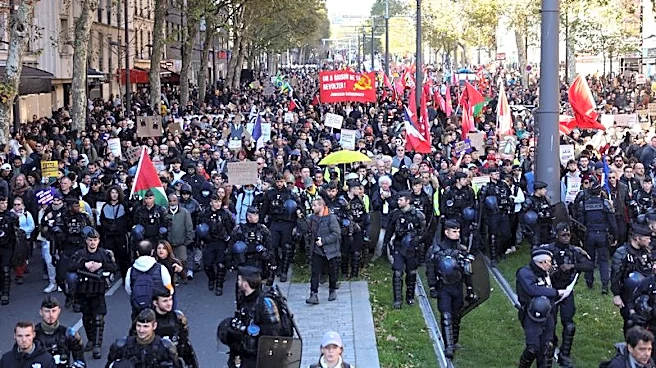
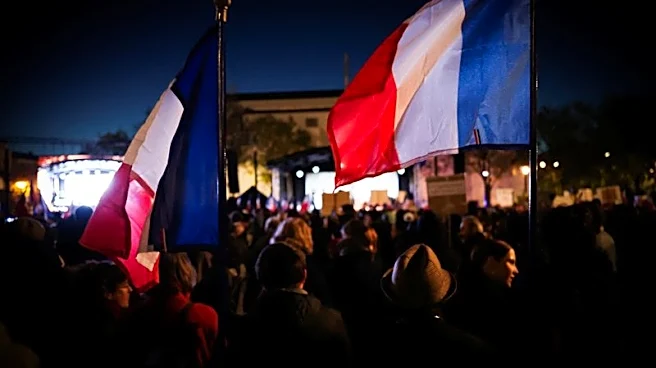
France experienced its third consecutive weekend of protests on Saturday, with hundreds of thousands of people taking to the streets. These demonstrations, initially inspired by high school students protesting neglected buildings, teacher shortages, and an unfair
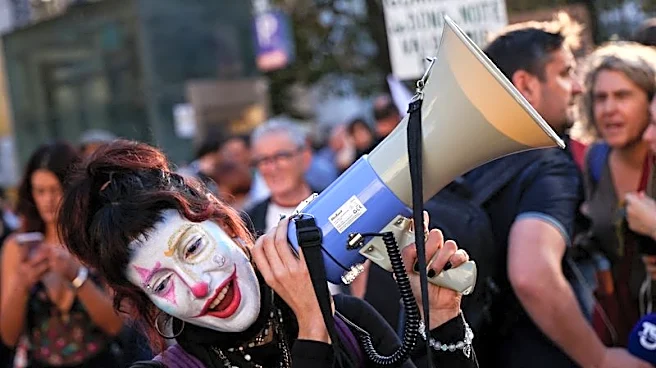
university admissions system, have expanded to include labor unions and others angered by President Emmanuel Macron's leadership and rising living costs. While the protests in France were largely peaceful, with some participants wearing Halloween costumes, clashes erupted in Paris and other cities, leading to tear gas deployment and scattered fires. Similar youth-led rallies also occurred in other European countries, including Germany and Portugal, addressing issues such as education, health, climate protection, and affordable living.
Why It's Important?
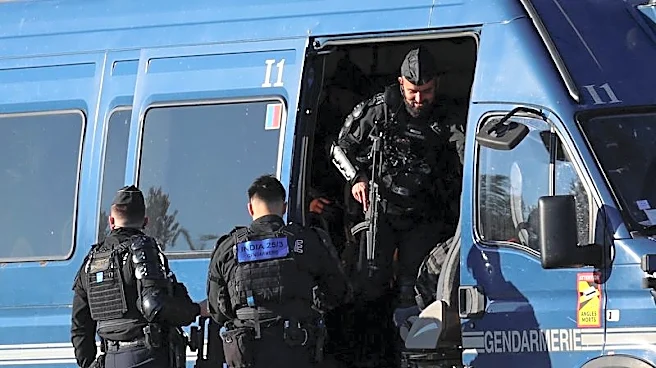
The sustained protests in France and their spread across Europe highlight a significant wave of youth-led activism driven by socio-economic grievances. The involvement of high school students, labor unions, and various other groups indicates a broad-based dissatisfaction with current government policies and the perceived failures of the system. The focus on living costs, education, and climate protection reflects pressing concerns for younger generations, who feel disproportionately affected by these issues. The government's response, including deploying 70,000 police and gendarmes and rerouting Parisian marches, underscores the seriousness with which authorities view the unrest. This movement could lead to policy changes, increased political engagement among youth, and potentially influence future elections across Europe, as leaders are forced to address these widespread concerns.
What's Next?
The continuation of these protests suggests that governments across Europe will face ongoing pressure to address the underlying issues of living costs, education, and climate. In France, the government's strategy for managing future demonstrations and responding to protesters' demands will be critical. The potential for further clashes and arrests remains, particularly if the protests continue to draw large numbers. The spread of these youth-led movements to other European countries indicates a potential for a coordinated or mutually reinforcing wave of activism, which could challenge established political orders. Leaders will likely need to engage with these movements to prevent further escalation and address the grievances of a significant portion of their populations.
Beyond the Headlines
The youth-led nature of these protests signifies a generational shift in political activism, with young people increasingly mobilizing around issues that directly impact their future. The use of creative forms of protest, such as Halloween costumes, alongside more traditional demonstrations, reflects a dynamic and evolving approach to social change. The grievances, while specific to each country, collectively point to a broader disillusionment with the current economic and political systems that many young Europeans feel are failing them. This movement could foster a new generation of political leaders and activists, shaping the long-term trajectory of European politics and public policy, particularly concerning social welfare, environmental protection, and economic equity.