





What's Happening?
A top Democratic U.S. senator has urged banks and trading firms to reject a new product offering early access to posts on President Donald Trump's Truth Social platform. The senator warned that this creates a 'very troubling form of information asymmetry'
for government policies. The product, unveiled by Trump Media & Technology Group (TMTG), offers a paid, licensed data feed that provides 'the fastest' access to posts from influential Truth Social accounts, including Trump's. These posts have the potential to move global markets. Despite the offer, major Wall Street banks have shown little interest in acquiring the API, citing political risks associated with paying for access to government official communications. Senator Mark Warner, a senior Democrat on the Senate Intelligence Committee, has called on financial industry trade groups to disavow the arrangement, arguing it allows Trump to profit from government policy announcements.
Why It's Important?
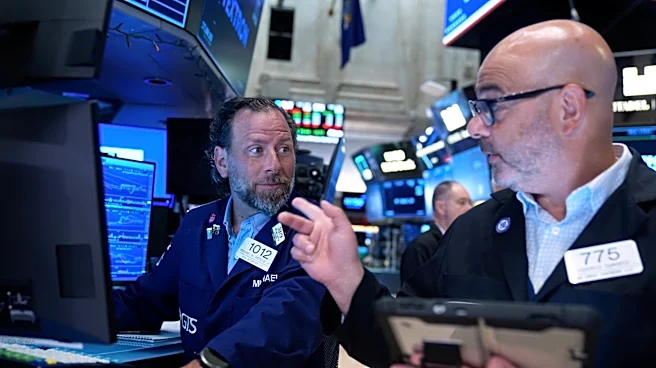
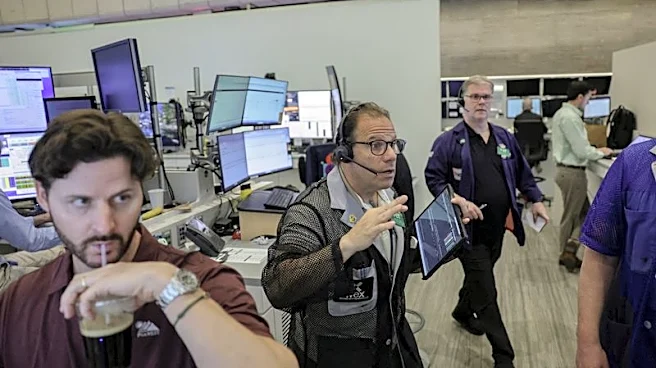
The senator's warning highlights concerns about the ethical implications of monetizing access to presidential communications, which could lead to unfair advantages in financial markets. If financial institutions were to subscribe to this service, it could create disparities in market information, potentially affecting stock prices and investment decisions. The arrangement raises questions about the intersection of politics and business, as well as the potential for President Trump to benefit financially from his role in government. This development could influence how financial institutions approach data access and the ethical considerations of using government-related information for profit.
What's Next?
The financial industry may face pressure to publicly address the ethical concerns raised by the senator. Banks and trading firms will likely evaluate the political and reputational risks associated with subscribing to the Truth API. The situation may prompt discussions within the industry about the boundaries of data monetization and the role of government communications in financial markets. Additionally, regulatory bodies could become involved if the arrangement is perceived to violate ethical standards or market fairness.