





What's Happening?
An AI content company, Media Nov Records, falsely claimed copyright ownership over musician Samantha Shokin's five-year-old recording of a Bulgarian folk song, 'Bre Petrunko.' Shokin had uploaded her 50-second rendition to YouTube, where it garnered approximately
125,000 views over four years. In October, her video was removed from YouTube following a copyright complaint from Media Nov Records. Shokin's counter-notifications were initially unsuccessful, and her attempts to contact the company went unanswered. Media Nov Records, described as a 'distribution company' with a focus on copyright protection and AI-powered content recognition, was founded last year despite claiming roots in 1996. The company eventually withdrew its complaint after being contacted by 404 Media, citing that the video had 'not generated revenue or received views,' a claim contradicted by the video's view count. Shokin's video was subsequently restored by YouTube.
Why It's Important?
This incident highlights significant vulnerabilities within the digital copyright enforcement system, particularly concerning the rise of AI content companies. The false copyright claim by Media Nov Records demonstrates how automated systems can be exploited to remove original content, causing distress and potential financial loss for creators. It underscores the challenges musicians face in protecting their intellectual property against entities leveraging 'cutting-edge technology' for rights management. The case also brings to light the broader issue of AI-generated content overwhelming streaming platforms, with many tracks being fraudulent. This situation could erode trust in content distribution platforms and copyright mechanisms, potentially leading to more disputes and a need for stricter verification processes for copyright claims, especially those initiated by AI-driven entities.
What's Next?
While Shokin's video has been restored, Media Nov Records has stated its intention to 'initiate appropriate legal proceedings regarding the underlying copyright dispute,' indicating that the legal battle may not be over. This suggests a potential ongoing challenge for Shokin to defend her ownership. The incident may prompt YouTube and other platforms to review and potentially revise their copyright complaint and counter-notification procedures, especially concerning claims made by AI content management companies. Regulators might also consider stricter oversight of companies that use AI for copyright enforcement to prevent similar abuses. The music industry will likely continue to grapple with the implications of AI-generated music and fraudulent copyright claims, potentially leading to new industry standards or legal frameworks to protect original creators.
Beyond the Headlines
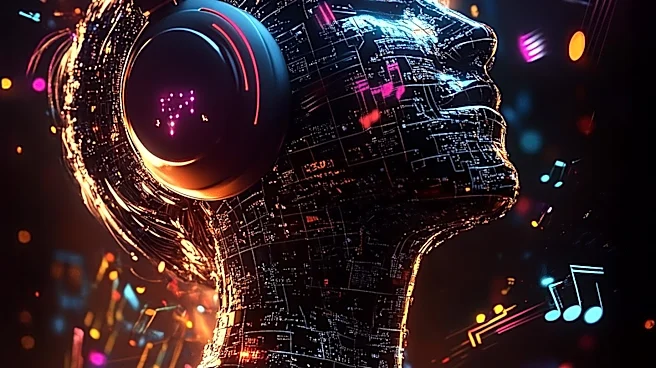
This event delves into the complex ethical and legal dimensions of AI's role in intellectual property. The irony of an AI-focused copyright company misusing copyright claims against an original artist raises questions about accountability and the potential for AI tools to be weaponized. It exposes a systemic flaw where automated systems can override human creativity and ownership without adequate human oversight or verification. The case also touches upon the broader cultural impact of AI in music, where the authenticity and originality of artistic expression are increasingly challenged by AI-generated content and dubious copyright assertions. This could lead to a re-evaluation of what constitutes 'original work' in the digital age and how creators can effectively safeguard their unique contributions against automated infringement claims.