





What's Happening?
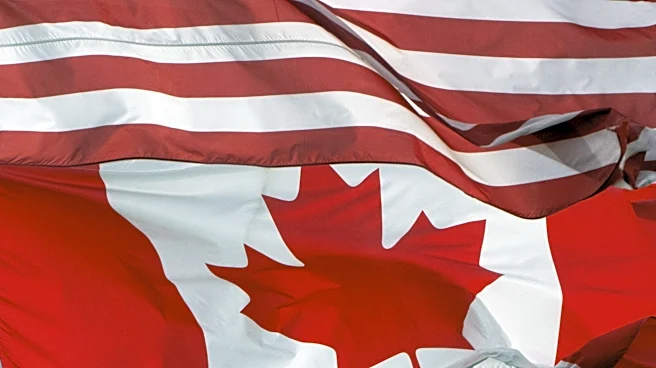
Congressman Morgan McGarvey (KY-03), Co-Chair of the Congressional Bourbon Caucus, has voiced strong criticism regarding President Trump's recent Canadian import ban and its ongoing impact on Kentucky's bourbon industry. McGarvey highlighted that Canada
is the largest international market for Kentucky spirits, and the trade war has already caused significant damage to the state's $9 billion industry. He warned that these bans would further fuel U.S. inflation and lead to higher prices for American consumers. Additionally, McGarvey has spoken out against the White House's use of taxpayer funds for what he describes as propaganda ads glorifying President Trump. He stated that these ads, which have cost at least $1.5 million, deviate from established precedents for public service announcements and are a clear misuse of funds. The House Oversight Committee is reportedly investigating the matter, with McGarvey asserting that the White House is campaigning for the President using public money.
Why It's Important?
Congressman McGarvey's critique underscores significant economic and ethical concerns. The trade dispute with Canada directly threatens Kentucky's bourbon industry, a major economic driver for the state, impacting jobs, revenue, and the global perception of American exports. The potential for increased inflation and consumer prices due to import bans could have broader economic repercussions across the U.S., affecting household budgets and purchasing power. Furthermore, the alleged misuse of taxpayer funds for political advertising raises serious questions about government accountability and transparency. If public money is indeed being used for partisan campaigns, it erodes public trust in government institutions and could set a dangerous precedent for future administrations. This situation highlights the ongoing tension between political messaging and the appropriate use of public resources, with potential legal and ethical ramifications.
What's Next?
The House Oversight Committee's investigation into the White House ads is expected to continue, potentially leading to formal findings and recommendations regarding the use of taxpayer funds for political purposes. Depending on the outcome, there could be calls for legislative action to clarify or strengthen laws governing government advertising and propaganda. Regarding the Canadian import ban, continued pressure from lawmakers like McGarvey and industry stakeholders may prompt further discussions or negotiations between the U.S. and Canadian governments to alleviate trade tensions. The bourbon industry in Kentucky will likely continue to advocate for policies that protect its access to international markets. The broader economic impact of these trade policies, including inflation and consumer prices, will be closely monitored, potentially influencing future economic policy decisions.
Beyond the Headlines
The issues raised by Congressman McGarvey touch upon fundamental aspects of democratic governance and economic policy. The debate over trade policies, particularly those involving tariffs and import bans, often reflects a tension between nationalistic economic strategies and the benefits of free trade. The long-term implications for industries like bourbon, which rely heavily on international markets, could include shifts in global supply chains and market dominance. Ethically, the controversy surrounding taxpayer-funded ads highlights the delicate balance between informing the public and engaging in political campaigning. This situation could prompt a broader societal discussion about the role of government in public discourse and the ethical boundaries of political communication, potentially leading to increased scrutiny of how public funds are allocated and utilized for messaging.