






What's Happening?
The Environmental Protection Agency (EPA), under Administrator Lee Zeldin, is delaying approvals for the use of 'forever chemicals' known as PFAS. This decision is influenced by concerns over potential backlash from the Make America Healthy Again (MAHA)
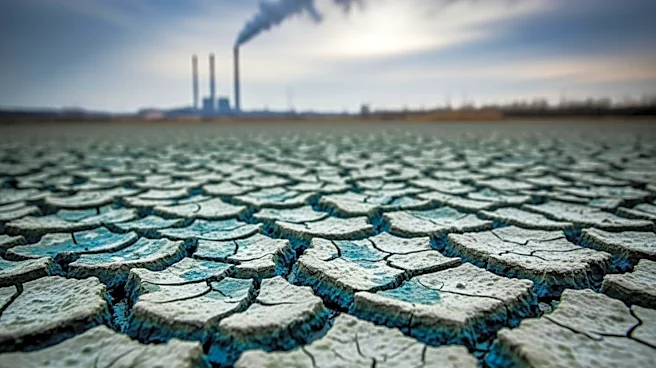
movement, led by Health Secretary Robert F. Kennedy Jr. The MAHA movement has been advocating for stricter controls on chemicals in the U.S. food supply. Despite the Trump administration's broader agenda to roll back environmental regulations, the EPA is holding back on PFAS approvals, which contrasts with its deregulatory efforts. PFAS are used in various products, including nonstick pans and firefighting foam, and are known for their persistence in the environment and potential health risks, such as cancer and immune system issues.
Why It's Important?
The delay in PFAS approvals highlights a significant tension between regulatory rollback efforts and public health advocacy. The MAHA movement's influence suggests a growing public demand for stricter oversight of chemical use, which could impact industries reliant on these substances. The delay could slow innovation and disrupt supply chains, affecting sectors like health, energy, and manufacturing. The situation underscores the complex balance the EPA must maintain between advancing industry interests and addressing public health concerns. The outcome of this regulatory pause could set precedents for future chemical approvals and environmental health policies.
What's Next?
The EPA's decision to delay PFAS approvals is likely to prompt further discussions and negotiations between the agency, the MAHA movement, and industry stakeholders. The agency may face increased pressure from both sides: environmental activists demanding stricter regulations and industry groups seeking faster approvals. The outcome of these discussions could influence future regulatory approaches to chemical safety and environmental health. Additionally, the EPA's actions may affect the Trump administration's broader environmental policy agenda, potentially leading to adjustments in response to public and political pressures.