






What's Happening?
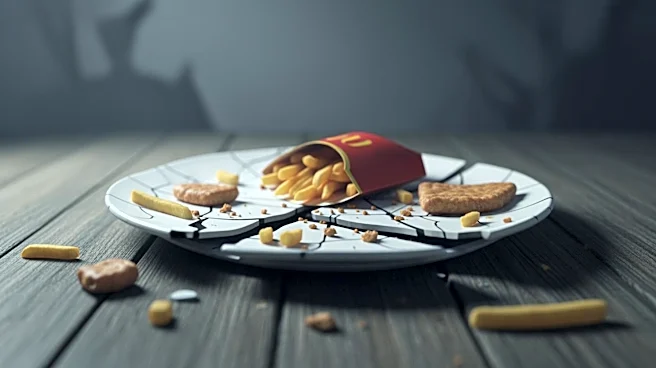
A study conducted by researchers at the Hebrew University of Jerusalem has found that the ongoing wars with Iran, Hamas, and Hezbollah have significantly impacted the health behaviors of Israelis. The stress from these conflicts has led to increased consumption
of junk food, reduced physical activity, and poor sleep patterns among both adults and children. The study, which surveyed 485 Israeli Jews, revealed a 30% decrease in physical activity and a 36% increase in junk food consumption. The researchers emphasize the need for targeted health interventions to mitigate these negative effects and promote healthier lifestyles during times of crisis.
Why It's Important?
The findings highlight the broader impact of war on public health, beyond immediate physical harm. The deterioration in health behaviors can lead to long-term health issues, increasing the burden on healthcare systems. Addressing these changes is crucial for maintaining public health and preventing chronic diseases. The study underscores the importance of designing environments that support healthy routines even under stress, which could involve promoting home-based physical activities and healthier food environments. These interventions are vital for improving the overall well-being of the population during and after conflicts.
What's Next?
The researchers plan to continue monitoring the health behaviors of the study participants to assess long-term changes and the effectiveness of any interventions implemented. There is also a focus on developing programs to educate children on adopting healthy habits from a young age. Policymakers and health organizations may consider implementing strategies to support healthy lifestyles during emergencies, such as providing resources for physical activity and nutrition. These efforts could help mitigate the negative health impacts of prolonged stress and improve resilience in affected communities.