
What's Happening?
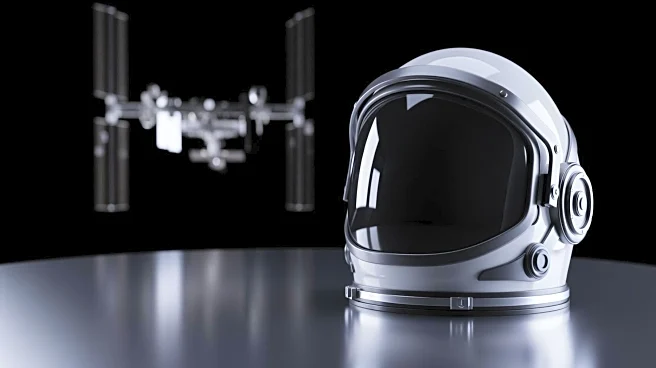
NASA announced the retirement of astronaut Suni Williams, who was one of two astronauts stranded at the International Space Station (ISS) for several months due to issues with Boeing's Starliner crew capsule.
Williams, who retired at the end of December, had initially launched to the ISS in 2024 as part of the first crew to fly the new Starliner capsule. The mission, intended to last only a week, extended to over nine months because of technical problems with the capsule. Eventually, Williams and her crewmate, Butch Wilmore, returned to Earth aboard a SpaceX Dragon spacecraft in March 2025. Williams, a former Navy captain, spent over 27 years with NASA, accumulating 608 days in space across three missions and setting a record for the most spacewalking time by a woman. NASA's new administrator, Jared Isaacman, praised her as a trailblazer in human spaceflight.
Why It's Important?
Suni Williams' retirement marks the end of a significant chapter in NASA's human spaceflight program. Her extended mission highlights the challenges and risks associated with new space technologies, such as Boeing's Starliner capsule, which faced significant technical issues. The delay in the mission underscores the importance of rigorous testing and reliability in space travel, especially as NASA and its partners continue to develop and deploy new spacecraft. Williams' career achievements, including her record-setting spacewalks, serve as an inspiration for future generations of astronauts and emphasize the critical role of women in space exploration. Her departure also signals a transition period for NASA as it continues to address the technical challenges of its commercial crew program.
What's Next?
Boeing plans to conduct another Starliner mission later this year, focusing on cargo transport to the ISS rather than crewed flights. This decision reflects NASA's cautious approach to ensuring the safety and reliability of the Starliner capsule before resuming human missions. The upcoming trial run will be crucial in addressing the thruster and other technical issues that plagued the previous mission. Successful resolution of these problems is vital for Boeing to regain confidence in its crewed spaceflight capabilities. Meanwhile, NASA will continue to rely on SpaceX for crew transport to the ISS, as it remains a key partner in the agency's commercial crew program.