





What's Happening?
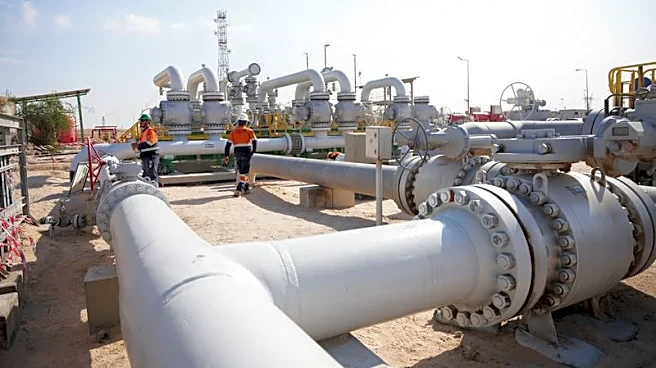
The International Energy Agency (IEA) has reported that global oil supply will fall short of demand this year due to the ongoing conflict in Iran. The war has severely disrupted oil production in the Middle East, with significant supply losses from Gulf
producers. The IEA's latest report indicates that supply will be 1.78 million barrels per day below total demand in 2026, a stark contrast to previous forecasts of a surplus. The conflict has led to restricted tanker traffic through the Strait of Hormuz, exacerbating the supply shock. The IEA anticipates a gradual resumption of traffic in the third quarter, but the current situation poses significant challenges for global oil markets.
Why It's Important?
The shortfall in global oil supply has far-reaching implications for the global economy, particularly for countries heavily reliant on oil imports. The disruption in supply could lead to increased oil prices, affecting industries and consumers worldwide. In the U.S., higher oil prices could contribute to inflationary pressures, impacting transportation costs and consumer goods. The situation also highlights the geopolitical risks associated with oil dependency and the need for diversified energy sources. As the conflict in Iran continues, the stability of global oil markets remains uncertain, posing challenges for economic planning and energy security.
What's Next?
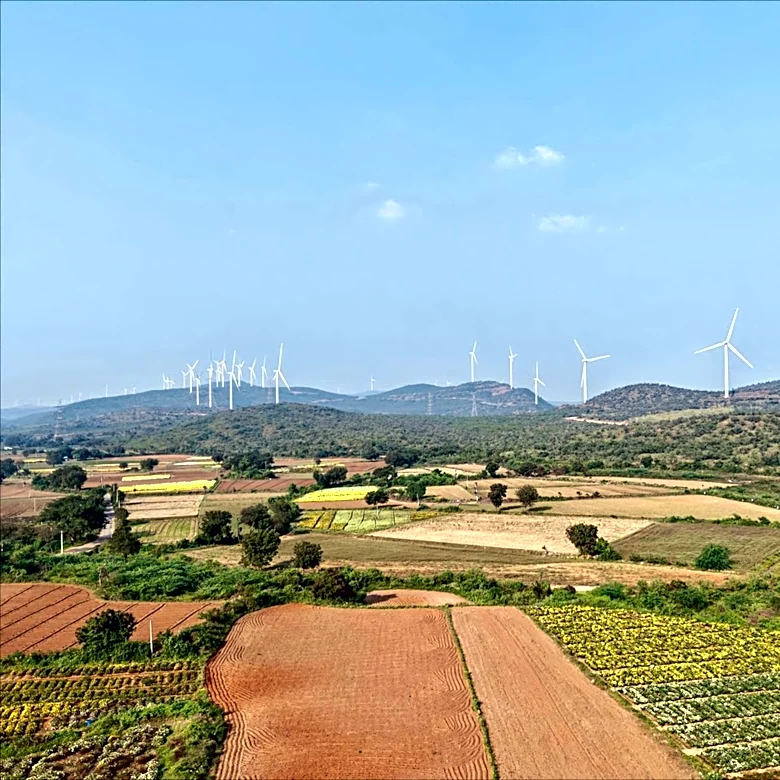
The IEA's forecast suggests a potential easing of the supply situation later in the year, contingent on the resolution of the conflict and the resumption of tanker traffic. However, the ongoing war in Iran could lead to further disruptions, necessitating contingency plans from oil-importing countries. Policymakers may need to explore alternative energy sources and strategies to mitigate the impact of oil supply shocks. The situation also underscores the importance of international cooperation in addressing energy security challenges and stabilizing global markets.