






What's Happening?
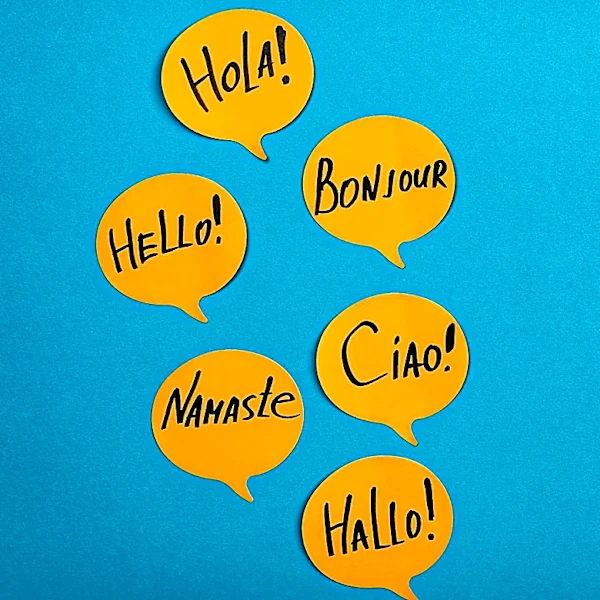
Khan Academy has launched new bilingual (English/Spanish) PreK assessments designed to accurately evaluate dual language learners. These assessments are developed simultaneously in both languages, ensuring equivalent difficulty and dialectal representation,
rather than being mere translations of English-centric tests. The initiative aims to prevent misdiagnosis, where typically developing bilingual children might be mistakenly identified with delays, or children needing language support are overlooked. Dr. Sandra Barrueco, a professor of psychology at the Catholic University of America, highlighted the critical need for appropriate assessments, noting that direct translation often fails due to linguistic complexities like varying word difficulty, grammatical structures, and dialectal differences. For instance, a simple English word translated directly into Spanish might become a more complex term, altering the assessment's true measure of a child's ability. The new assessments are calibrated against data from both monolingual and bilingual children and reviewed by experts to ensure cultural and linguistic appropriateness.
Why It's Important?
The introduction of these bilingual PreK assessments by Khan Academy is significant for the U.S. educational system, particularly for publicly funded PreK programs serving diverse communities. Inaccurate assessments can lead to misallocation of resources, as programs might appear to be underperforming if their bilingual students are consistently underestimated. This can impact funding decisions, program quality reviews, and resource distribution. By providing a more accurate measure of a child's abilities in their strongest language, these assessments can help ensure that dual language learners receive appropriate educational support tailored to their actual needs. This initiative also addresses the ethical concern of equitable assessment, ensuring that a child's linguistic background does not inadvertently penalize them in educational evaluations. The ability to accurately identify learning needs in bilingual children can lead to more effective interventions and better educational outcomes, ultimately benefiting a significant portion of the U.S. student population.
What's Next?
Publicly funded PreK programs that qualify can pilot Khan Academy Kids for Schools, including these new PreK assessments, at no cost for the SY 2026–27 and SY 2027–28 school years. This pilot program will allow educational institutions to integrate the bilingual assessments into their evaluation processes and gather data on their effectiveness. The success of these pilots could lead to wider adoption of such bilingual assessment methodologies across the U.S., potentially influencing national standards for early childhood education and assessment practices for dual language learners. Furthermore, the insights gained from these assessments could inform curriculum development and teacher training programs, emphasizing the importance of culturally and linguistically responsive pedagogy. The ongoing partnership with Google.org also suggests future advancements in educational tools, potentially incorporating more AI-driven interactive diagrams and targeted practice to further support diverse learners.
Beyond the Headlines
Beyond the immediate impact on assessment accuracy, Khan Academy's initiative highlights a broader shift towards more inclusive and equitable educational practices in the U.S. It underscores the recognition that language is not merely a barrier to be overcome but a fundamental aspect of a child's cognitive and cultural identity. The emphasis on developing assessments simultaneously in multiple languages, rather than simply translating them, reflects a deeper understanding of linguistic and cultural nuances in learning. This approach could set a precedent for other educational tools and resources, encouraging a more holistic view of student capabilities. It also brings to light the systemic challenges in current assessment methods that may inadvertently disadvantage non-English speaking students, prompting a re-evaluation of how educational progress is measured across diverse populations. This move could foster a more culturally sensitive educational environment, promoting better integration and success for dual language learners in the long run.