




What's Happening?
Steven Nelson, a professional boxer and long-time friend and sparring partner of Terence Crawford, experienced a severe asthma attack at a Kanye West concert. Nelson attributed the attack to smoke from pyrotechnics used during the performance. Emergency
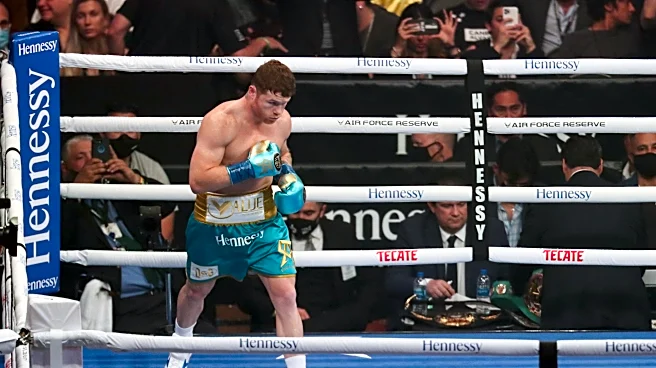
medical personnel were called to the scene as Nelson struggled to breathe. He later stated that he nearly died, expressing gratitude for the paramedics who provided an emergency albuterol kit. Nelson, a U.S. Army veteran, has a history of surviving dangerous situations, including military deployment, being shot, and an IED explosion. He has been a primary sparring partner for Crawford, notably during preparations for the Canelo Alvarez fight in September 2025, and also fought on the undercard of that event. This incident highlights an unexpected health scare for an athlete accustomed to high-stakes physical challenges.
Why It's Important?
This incident underscores the potential health risks associated with large-scale entertainment events, particularly concerning individuals with pre-existing conditions like asthma. For athletes, maintaining optimal health is paramount, and an event like this, even outside of their professional arena, can have significant implications for their well-being and career. Nelson's near-death experience brings attention to the need for venues and event organizers to consider the impact of special effects, such as pyrotechnics, on audience health and to ensure adequate medical preparedness. The close relationship between Nelson and Crawford also means that such an event could indirectly affect Crawford's training and focus, given their long-standing personal and professional bond. It serves as a stark reminder that health vulnerabilities can emerge in unexpected environments, even for highly conditioned individuals.
What's Next?
Following this severe asthma attack, Steven Nelson will likely need to focus on his recovery and health management. It is probable that he will consult with medical professionals to assess any potential long-term impacts on his respiratory health and boxing career. This incident may also prompt him to take greater precautions when attending events with similar environmental factors. For event organizers, this situation could lead to a review of safety protocols regarding pyrotechnics and air quality at concerts, especially concerning their potential effects on attendees with respiratory conditions. While there is no immediate indication of changes to Nelson's boxing schedule, his health will undoubtedly be a primary concern moving forward, potentially influencing his training regimen and future fight plans.
Beyond the Headlines
The incident with Steven Nelson extends beyond a personal health scare, touching upon broader issues of public safety at entertainment venues and the often-overlooked vulnerabilities of even the most physically robust individuals. It raises questions about the responsibility of event promoters to ensure safe environments for all attendees, including those with known health conditions. The use of pyrotechnics, while visually spectacular, carries inherent risks that may not be fully mitigated by standard safety measures. This event could spark discussions within the entertainment industry about more stringent health impact assessments for special effects and improved emergency medical response capabilities. Furthermore, it highlights the psychological impact of such a near-death experience on an individual who has faced numerous life-threatening situations, emphasizing that danger can arise from unexpected sources, challenging perceptions of safety and resilience.