




What's Happening?
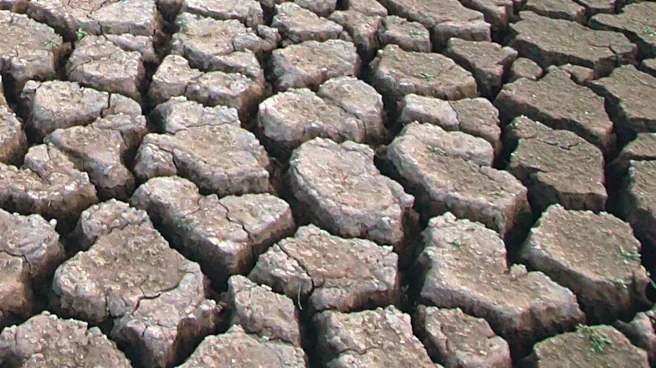
The European Union is grappling with significant water losses, with 23% of treated water being lost due to leaks in aging infrastructure. This issue is exacerbated by climate change, leading to increased water scarcity. The EU is exploring digitalization
as a solution, using AI and real-time monitoring to detect leaks and manage water resources more efficiently. The current infrastructure, much of which dates back to post-war construction, is failing under the pressures of temperature shifts and ground movement. The EU's water-intensive sectors, such as agriculture and energy, are at risk due to unreliable water supplies.
Why It's Important?
Water scarcity poses a significant threat to the EU's economy, particularly in sectors that rely heavily on water. The loss of treated water not only represents a waste of resources but also increases the risk of water shortages during droughts. Digital solutions offer a way to improve water management, potentially reducing losses and ensuring a more reliable supply. This is crucial for maintaining economic stability and supporting industries that are vital to the EU's growth. The move towards digitalization also reflects a broader trend of integrating technology into infrastructure management to enhance efficiency and sustainability.
What's Next?
The EU is likely to increase investments in digital infrastructure to address water loss issues. This may involve collaboration between member states to share resources and expertise. The implementation of AI and real-time monitoring systems could become more widespread, leading to improved water management practices. Policymakers may also need to address the political and financial challenges associated with upgrading infrastructure, including the need for public support and funding. As digital solutions are adopted, there will be a focus on ensuring data security and addressing potential risks associated with cyberattacks.