




What's Happening?
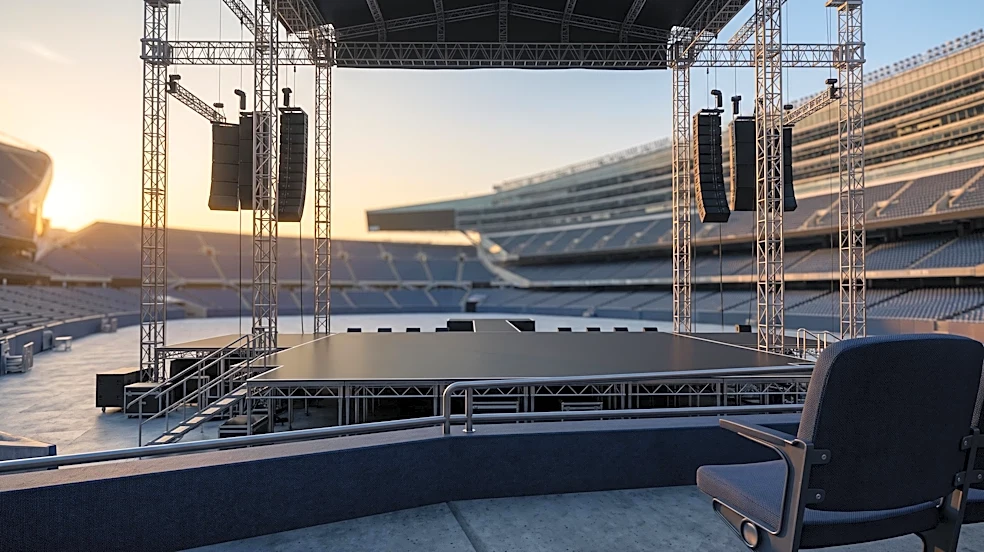
Forest Hills Stadium, its operator Tiebreaker Productions, the West Side Tennis Club, and the Forest Hills Gardens Corporation (FHGC) have reached a settlement that resolves all pending litigation and establishes an operational framework for the stadium
through 2040. This agreement allows the stadium to host up to 28 concerts per season during an initial seven-year term, with a potential increase to 29 concerts in subsequent renewal terms. The settlement includes strict operating standards, such as a curfew for amplified sound and real-time audio monitoring, aligning with city guidelines. Tiebreaker Productions will provide substantial payments to the FHGC, including per-show payments and a one-time upfront payment, a portion of which is designated for restoration and beautification projects within Forest Hills Gardens. This resolution follows years of legal disputes primarily concerning neighborhood noise, zoning restrictions, and the impact of concerts on the residential community.
Why It's Important?
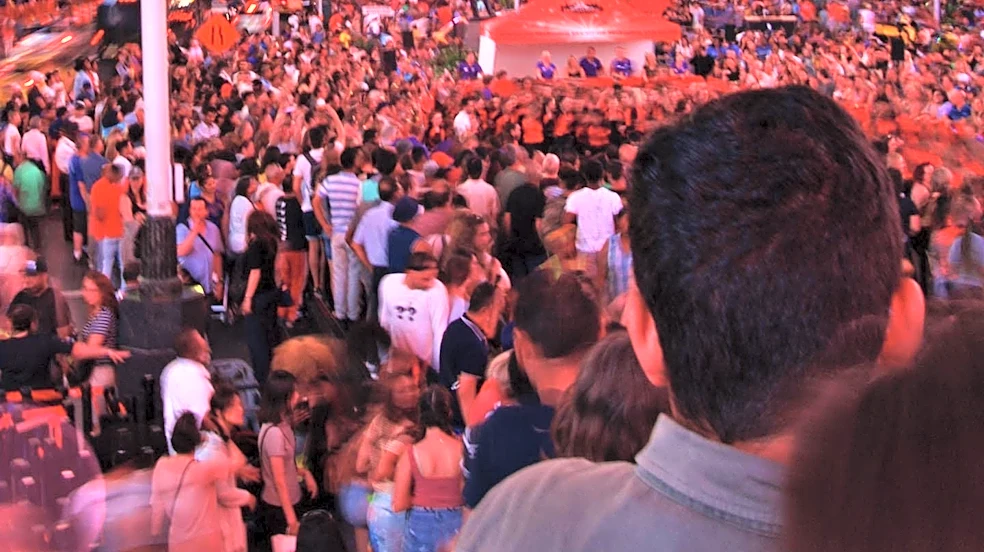
This settlement is crucial for both the cultural landscape of New York City and the quality of life for residents in Forest Hills. For the stadium, it secures its future as a major live-music destination, ending the uncertainty caused by ongoing legal challenges. This stability allows for continued economic activity generated by concerts, including job creation and tourism revenue. For the Forest Hills Gardens community, the agreement provides clear, enforceable protections against disruptions, addressing long-standing concerns about noise, traffic, and crowd management. The financial contributions from Tiebreaker Productions for neighborhood beautification and preservation demonstrate a commitment to integrating the stadium's operations with community well-being. This balanced outcome aims to foster a more collaborative relationship between the venue and its neighbors, ensuring that both cultural events and residential peace can coexist.
What's Next?
With the settlement in place, Forest Hills Stadium will continue its concert operations under the newly established framework, which includes a cap on the number of annual shows and strict operating standards. The agreement also outlines a streamlined dispute-resolution process overseen by a Special Referee, aiming to prevent future litigation and ensure smooth ongoing collaboration between the parties. The venue will continue to coordinate with the NYPD for event operations, traffic safety, and community coordination, and will deploy its own security and sanitation teams. A community ombudsman will be available to address resident needs in real-time. Designated routes for concert attendees and coordinated rideshare pickup zones outside Forest Hills Gardens will be implemented to minimize residential disruption. The focus will now shift to implementing these operational changes and fostering a constructive working relationship between the stadium and the community.
Beyond the Headlines
The resolution of the Forest Hills Stadium dispute highlights a broader challenge faced by urban entertainment venues located within or adjacent to residential areas: balancing economic and cultural contributions with community impact. This settlement could serve as a model for other cities grappling with similar issues, demonstrating how structured agreements, financial contributions to the community, and clear operational guidelines can mitigate conflicts. The emphasis on real-time audio monitoring, curfews, and community ombudsmen reflects an evolving understanding of corporate responsibility and the importance of proactive community engagement. This case also underscores the power of community advocacy in shaping urban development and the operation of large-scale venues, leading to more equitable outcomes that consider both commercial interests and residential quality of life.