





What's Happening?
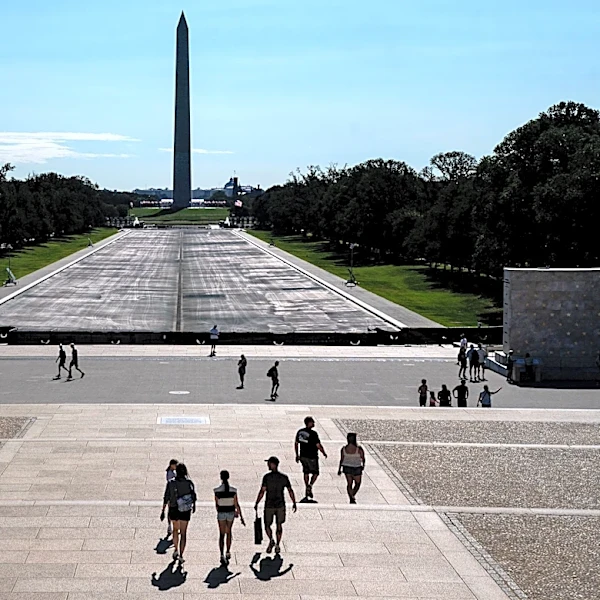
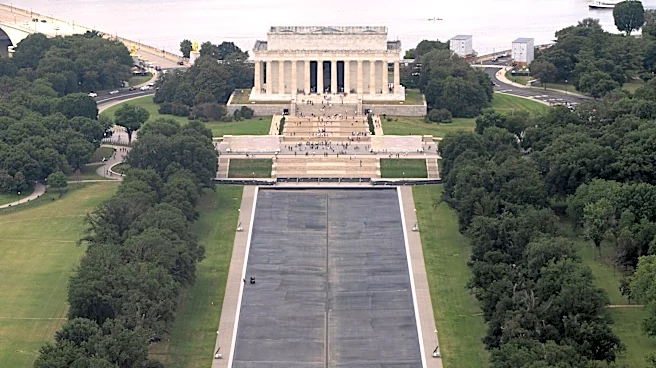
The Trump administration has decided to drop criminal charges against former Olympic athlete David Hearn, who was previously accused of vandalizing the Lincoln Memorial Reflecting Pool. U.S. Attorney Jeanine Pirro, appointed by President Trump, acknowledged
that the damage to the pool was due to a 'botched installation' rather than vandalism. Initially, Hearn was accused of damaging the pool's liner, a part of a renovation project championed by President Trump. The charges were based on allegations that Hearn had 'forcefully and violently' ripped the newly installed liner. However, new information revealed that the damage was due to flawed installation by the contractor, not vandalism. The rush to complete the project before the Independence Day holiday contributed to the renovation's failure.
Why It's Important?
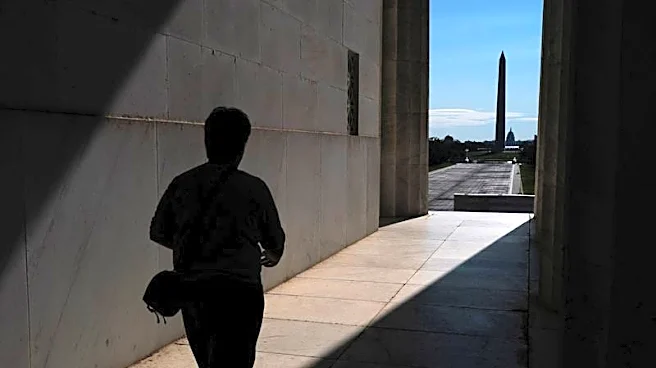
This development highlights issues of accountability and transparency within government projects. The decision to drop charges against Hearn underscores the importance of thorough investigations before pursuing legal action. It also raises questions about the Trump administration's handling of public works projects, particularly those that have been expedited for political reasons. The Reflecting Pool, a significant historical site, has been a backdrop for many iconic moments in U.S. history, and its renovation was a high-profile project. The incident reflects broader concerns about the administration's approach to infrastructure projects and the potential for political motivations to influence legal proceedings.
What's Next?
The dismissal of charges may lead to further scrutiny of the Trump administration's infrastructure projects, particularly those that have faced legal challenges. There may be calls for more rigorous oversight and transparency in the awarding and execution of government contracts. Additionally, the incident could prompt discussions about the role of political influence in legal decisions and the need for independent investigations. The administration may face pressure to address these concerns and ensure that future projects are conducted with greater accountability.