








What's Happening?
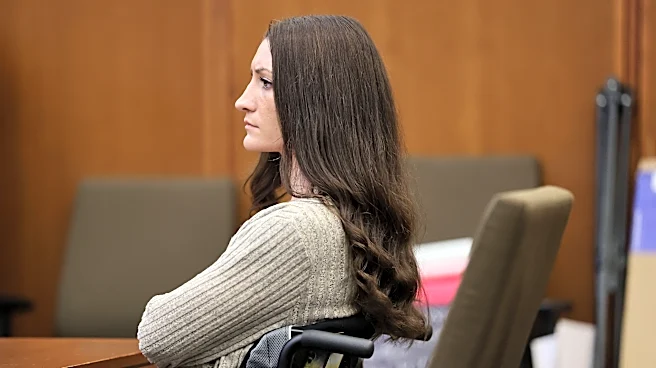
Joan Rubinger, a nurse practitioner known for working with top athletes, has been accused by the U.S. Drug Enforcement Administration (DEA) of illegally prescribing thousands of highly addictive painkillers. Over a four-year period, federal authorities
allege Rubinger prescribed 260,000 pills containing controlled substances to patients in more than 20 states. The DEA revoked Rubinger's ability to prescribe opioids, following her agreement in March to pay $1.4 million to settle a parallel Justice Department civil complaint. This complaint accused her of dispensing controlled substances like oxycodone, Percocet, and Xanax without legitimate medical purpose. Rubinger did not admit wrongdoing in the settlement and agreed to never again prescribe controlled substances. Court documents unsealed at the request of The Associated Press detail how Rubinger allegedly expanded her scheme from professional athletes to a wide range of clients, including members of an Ohio-based street gang and a New Jersey drug trafficker. She is also accused of coaching clients on how to avoid detection by pharmacies and the DEA.
Why It's Important?
This case is important as it highlights the ongoing challenges in controlling the distribution of highly addictive opioids and the potential for medical professionals to abuse their prescribing authority. The alleged scale of Rubinger's operation, involving 260,000 pills and patients across multiple states, underscores the significant public health risk posed by illicit prescription practices. The involvement of professional athletes, some of whom have publicly struggled with opioid addiction, brings attention to the vulnerability of even high-profile individuals to such schemes. The DEA's actions and the Justice Department's settlement demonstrate a continued effort to combat the opioid crisis by targeting individuals who facilitate the illegal flow of these drugs. This case also raises questions about the oversight of nurse practitioners and the ease with which some individuals can obtain controlled substances through illegitimate channels, contributing to the broader opioid epidemic in the U.S.
What's Next?
While Joan Rubinger's ability to prescribe controlled substances has been revoked and she has settled a civil complaint, the case did not result in criminal charges. This decision by federal prosecutors may draw further scrutiny and debate regarding the criteria for criminal prosecution in such cases. The unsealed court documents provide new details that could prompt further investigations or discussions within medical and regulatory boards in California and New York, where Rubinger is licensed. The NFL Players Association and the California Board of Registered Nursing were reportedly alerted to Rubinger's activities, and their responses or potential actions will be watched. The case also serves as a cautionary tale for other medical professionals and could lead to increased vigilance and stricter enforcement by regulatory bodies to prevent similar abuses of prescribing privileges.
Beyond the Headlines
The Rubinger case delves into the less obvious implications of the opioid crisis, particularly the exploitation of trust within the medical profession and the unique pressures faced by athletes. The alleged 'covert and slinking' nature of her scheme, including coaching clients to evade detection, reveals a sophisticated attempt to circumvent regulatory safeguards. The fact that she was a pain specialist to top athletes, some of whom were unaware of the illicit nature of her prescriptions, highlights the ethical complexities and the potential for patient harm. The case also touches on the broader issue of how medical credentials and professional reputations can be leveraged for illicit gain. The absence of criminal charges, despite the egregious conduct alleged by the DEA, raises questions about prosecutorial discretion and the effectiveness of civil penalties in deterring such widespread illegal activity. This situation underscores the need for continuous vigilance, robust regulatory frameworks, and ethical accountability within the healthcare system to protect public health.