




What's Happening?
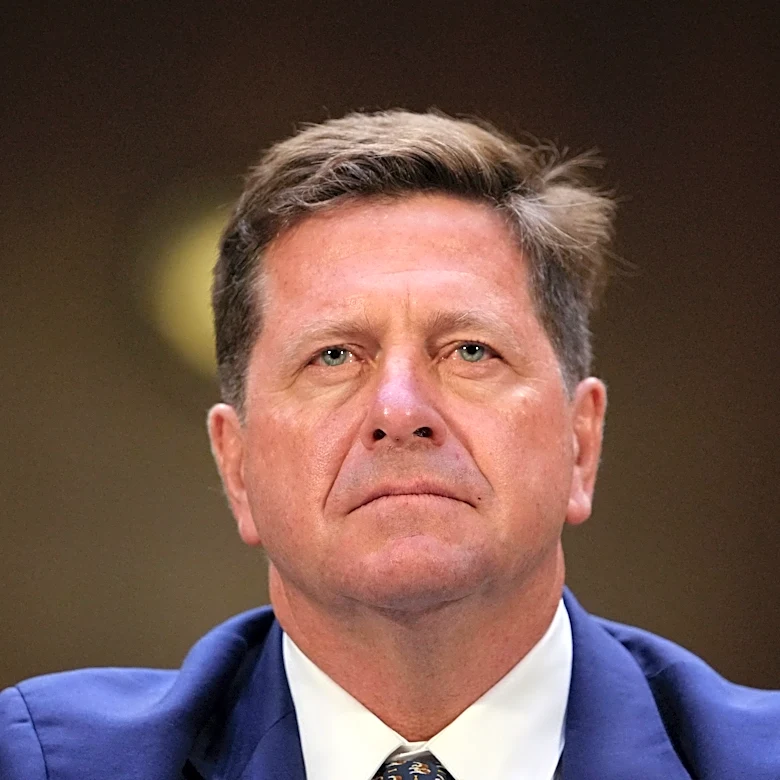
Gregory Stanton, founder of Genocide Watch, has identified a lack of political will as the most significant barrier to preventing genocide, rather than a deficiency in early warning systems. Speaking at an event examining the impact of the fall of El
Fasher, Stanton referenced historical examples such as Kosovo, East Timor, and Macedonia to illustrate that the international community possesses the capacity to prevent atrocities. However, he noted that institutions like the UN Security Council often restrict meaningful action. Stanton emphasized that early warning systems are ineffective without the necessary political will and institutional capacity to respond. Other speakers at the event, including Kate Ferguson from Protection Approaches and Mutasim Ali from the Raoul Wallenberg Center, further discussed the gap between identifying atrocity risks and implementing concrete actions, with Ali specifically pointing to states' reluctance to confront external actors like the UAE involved in perpetrating atrocities.
Why It's Important?
Stanton's assertion underscores a critical challenge in international relations and human rights, particularly for U.S. foreign policy. The U.S., as a permanent member of the UN Security Council and a global power, plays a significant role in shaping international responses to humanitarian crises. Acknowledging that political will, rather than intelligence, is the missing component suggests that the U.S. and its allies may need to re-evaluate their diplomatic strategies and commitment to intervention. This perspective implies that the U.S. could be seen as either a key enabler or a significant impediment to effective genocide prevention, depending on its willingness to act. The discussion also highlights the complex interplay of state interests, economic ties, and human rights, where the refusal to confront certain actors, as mentioned regarding the UAE, can undermine efforts to prevent atrocities and hold perpetrators accountable. This has implications for the U.S.'s moral standing and its long-term strategic interests in promoting global stability and human rights.
What's Next?
The ongoing discussions surrounding the fall of El Fasher and the broader issue of genocide prevention suggest a continued need for institutional reform within international bodies like the UN. Future efforts will likely focus on strengthening the political resolve of member states and developing more robust mechanisms for accountability, particularly concerning external actors who enable violence. The U.S. and other leading nations may face increased pressure to demonstrate a stronger commitment to human rights and to overcome political obstacles that hinder intervention. This could involve re-evaluating diplomatic approaches, imposing sanctions on complicit states, or advocating for changes within the UN Security Council to ensure that early warnings translate into timely and effective action. The emphasis on political will suggests that future policy debates will center on how to galvanize international consensus and overcome national interests that currently impede atrocity prevention.
Beyond the Headlines
The core issue of political will in genocide prevention extends beyond immediate humanitarian concerns, touching upon fundamental questions of international law, sovereignty, and the responsibility to protect. The reluctance of states to intervene, even with clear evidence of atrocities, raises ethical dilemmas about the limits of national interest versus universal human rights. This dynamic can erode public trust in international institutions and create a precedent where powerful nations can act with impunity or enable others to do so. The discussion also highlights the challenge of balancing geopolitical considerations with moral imperatives, particularly when economic or strategic alliances are at stake. Ultimately, the failure to act on early warnings due to a lack of political will can have long-term consequences for global security, fostering instability and undermining the very principles of international cooperation and justice that underpin the post-World War II order.