






What's Happening?
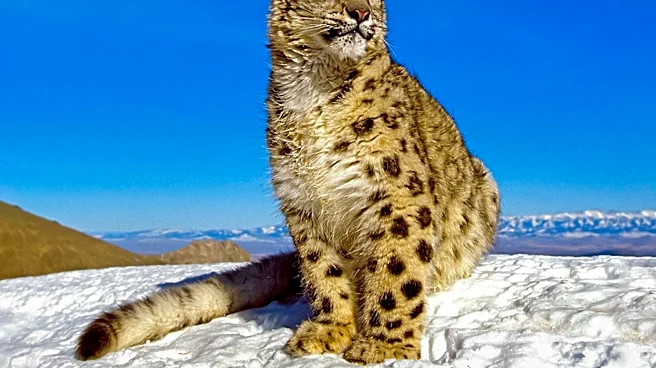
Project Survival Cat Haven, a big-cat sanctuary in Dunlap, California, is dealing with an outbreak of Valley fever, a fungal infection that has affected two of its snow leopards. The illness, caused by inhaling spores from the fungus Coccidioides, is also
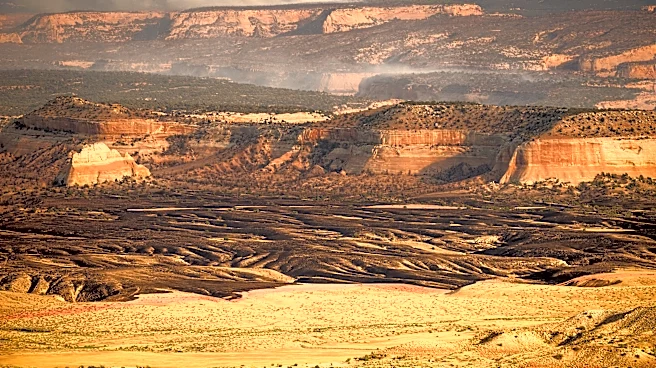
a concern for humans, as an inspector at the sanctuary has contracted the disease. Valley fever, also known as coccidioidomycosis, is prevalent in soil across parts of the Southwest and south-central Washington state. The sanctuary had previously lost a lion to the disease, highlighting the severity of the infection. One of the affected leopards, Jackson, has been battling the illness for four years and requires ongoing medication. The sanctuary is now on high alert, monitoring both animals and staff for symptoms, which can include fatigue, coughing, and muscle aches.
Why It's Important?
The outbreak at the sanctuary underscores the broader public health implications of Valley fever, which can have serious effects on both animals and humans. While not everyone exposed to the fungus becomes ill, those who do can experience severe respiratory issues. The disease poses a significant risk in areas where the fungus is present, particularly following rainy periods that are succeeded by dry weather, which can increase the spread of spores through dust. For the sanctuary, managing the health of rare animals while ensuring the safety of staff and visitors strains resources that could otherwise support conservation efforts. The situation highlights the interconnectedness of animal and human health, emphasizing the need for vigilance in regions where the fungus is endemic.
What's Next?
The sanctuary is taking steps to mitigate the risk of further infections by closely monitoring the health of its animals and staff. Treatment for Valley fever typically involves antifungal medications, and early detection is crucial to prevent complications. The sanctuary is likely to continue its efforts to reduce exposure to dust, which can carry the infectious spores. This includes measures such as wetting soil before digging and limiting outdoor activities during dusty conditions. The situation may prompt increased awareness and preventive measures in other regions where Valley fever is a concern, potentially influencing public health policies and practices.