


What's Happening?
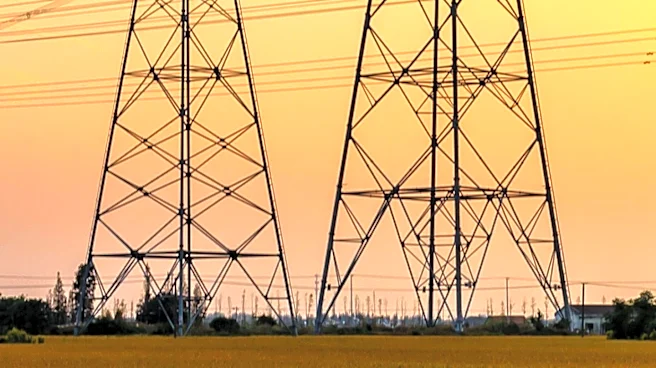
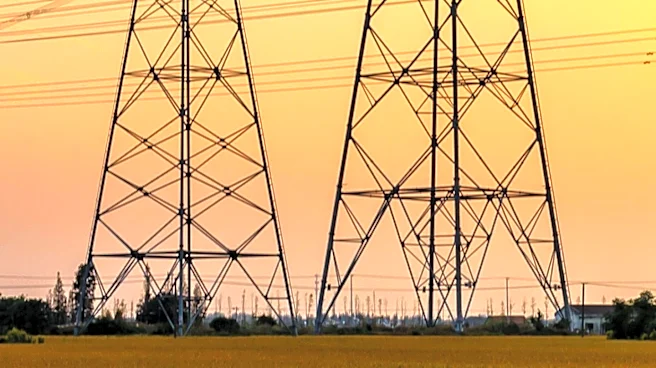
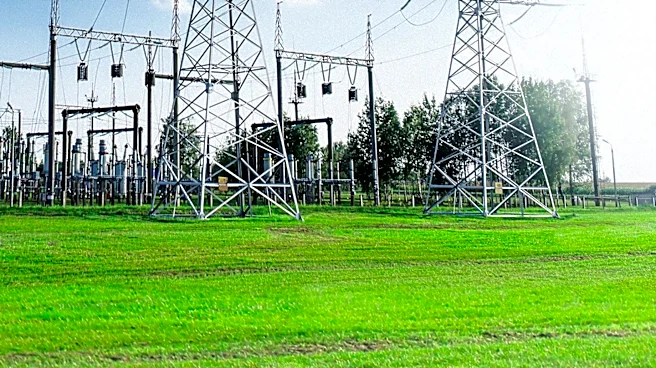
Keentel Engineering is actively involved in designing transmission lines and conducting power system studies for voltages ranging from 4 kV to 765 kV, with a particular focus on addressing insulator swing and right-of-way (ROW) challenges in U.S. transmission projects.
When wind blows across overhead transmission lines, suspension insulator strings can swing away from their vertical position, causing conductors to blow sideways. This movement means the conductor does not remain in its static, no-wind position, necessitating careful design of ROW width, structure geometry, and clearances to accommodate the worst credible conductor position. Keentel Engineering utilizes detailed analysis and engineered solutions, such as braced post insulators or vertical double-circuit-ready steel pole designs, to ensure compliance with National Electrical Safety Code (NESC) clearances and utility swing criteria, even in constrained corridors or during rebuilds of existing lines.
Why It's Important?
The precise engineering of insulator swing and right-of-way is critical for the safety, reliability, and cost-effectiveness of the U.S. electrical grid. Failure to account for conductor movement due to wind can lead to dangerous situations, including reduced clearances to ground or nearby structures, increasing the risk of electrical arcing, flashovers, and power outages. This directly impacts public safety and the continuous supply of electricity to homes and businesses. Furthermore, optimizing ROW width and structure design can prevent the need for costly land acquisition and minimize environmental impact, especially in densely populated or environmentally sensitive areas. Keentel Engineering's solutions help utilities meet regulatory requirements and maintain grid integrity, which is vital for national infrastructure resilience and economic stability.
What's Next?
As the U.S. electric grid continues to evolve with increasing demands and the integration of new technologies, the importance of specialized engineering in transmission line design will grow. Future developments will likely involve more sophisticated modeling techniques, such as PLS-CADD, to predict conductor behavior under various environmental conditions more accurately. There will be a continued push for innovative structural designs and insulator technologies that can minimize swing and optimize ROW usage, particularly in urban and suburban corridors where space is limited. Additionally, the industry will need to adapt to changing climate patterns, which may introduce more frequent or severe wind events, requiring even more robust and resilient transmission line designs to ensure grid stability and prevent widespread disruptions.
Beyond the Headlines
The technical challenges of insulator swing and right-of-way in transmission line design highlight a broader interplay between engineering, environmental stewardship, and community planning. The need to maintain clearances and ensure safety often conflicts with the desire to minimize visual impact and preserve natural landscapes. This necessitates a delicate balance, where engineering solutions must be integrated with public engagement and regulatory frameworks. The long-term implications include not only the physical infrastructure but also the social license for new projects. Effective design and planning can mitigate potential conflicts, foster public acceptance, and contribute to a more sustainable and resilient energy future, demonstrating how highly technical engineering decisions have far-reaching societal and environmental consequences.