




What's Happening?
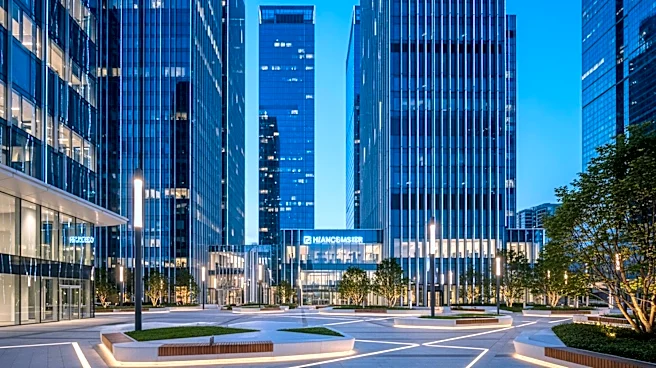
Downtown Brooklyn has undergone significant transformation since its rezoning 20 years ago, evolving into a vibrant mixed-use district. The area has added approximately 32 million square feet of new development, including residential, commercial, cultural,
academic, and open spaces. According to the Downtown Brooklyn Partnership, over 27,000 housing units have been completed, with nearly 8,000 more under construction or planned. The neighborhood is one of the best transit-connected areas in New York City, enhancing its appeal as a live-work-play environment. Notable developments include 300 Ashland, a 35-story apartment building with 379 homes, and 89 DeKalb, a 30-story all-electric tower with over 300 apartments. These buildings offer a range of amenities, from rooftop terraces to fitness centers, catering to the needs of modern urban dwellers.
Why It's Important?
The transformation of Downtown Brooklyn serves as a successful example of urban redevelopment, showcasing how cities can adapt to meet the demands of growing populations while maintaining cultural and historical significance. The area's development has not only increased housing availability but also enhanced the local economy by attracting businesses and cultural institutions. This growth supports the city's broader goals of sustainable urban living, with projects like 89 DeKalb emphasizing green design and energy efficiency. The neighborhood's evolution reflects broader trends in urban planning, where mixed-use developments and transit-oriented growth are prioritized to create more livable and sustainable cities.
What's Next?
As Downtown Brooklyn continues to develop, the focus will likely remain on balancing growth with sustainability and community needs. Future projects may further integrate green technologies and public spaces to enhance the quality of life for residents. The area's continued appeal will depend on maintaining its cultural vibrancy and accessibility, which are key factors in attracting new residents and businesses. Stakeholders, including city planners and developers, will need to address challenges such as affordability and infrastructure to ensure the neighborhood remains inclusive and resilient.
Beyond the Headlines
The redevelopment of Downtown Brooklyn highlights important cultural and social dynamics, such as the preservation of historical sites like the Brooklyn Paramount Theater, which has been restored to its former glory. This blend of old and new reflects a broader cultural trend of valuing heritage while embracing modernity. Additionally, the area's growth raises questions about gentrification and the displacement of long-time residents, issues that urban planners must navigate carefully to maintain community diversity and equity.