





What's Happening?
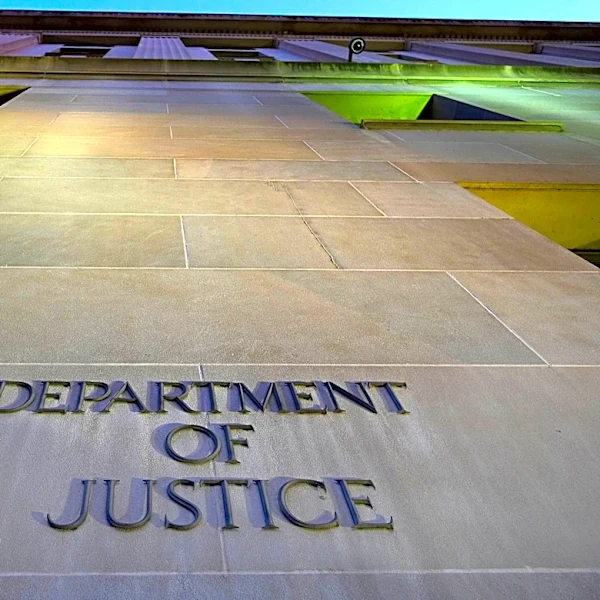
California is investing approximately $15 million of taxpayer money to support its Local Food Purchase Assistance Program. This state funding comes after the federal government terminated an agreement that previously provided over $88 million in federal money for the program
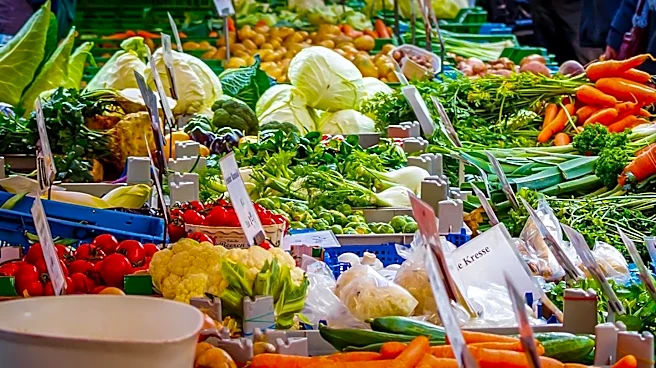
in California, with the federal agreement set to expire in March 2025. The Local Food Purchase Assistance Program enables food banks across the state, such as the Los Angeles Regional Food Bank, to procure fresh, locally-grown food directly from regional farmers and producers. Assemblymember Rhodesia Ransom, D-Stockton, advocated for these state funds, emphasizing their role in addressing food insecurity and supporting California's agricultural economy. The Los Angeles Regional Food Bank alone serves 1.1 million people, a fraction of the one in four individuals in Los Angeles County experiencing food insecurity. Data from the UCLA Center for Health Policy Research in 2024 indicated that 47.2% of Californians faced food insecurity.
Why It's Important?
This state-level intervention is crucial for maintaining a vital program that addresses food insecurity while simultaneously bolstering the local agricultural economy. The federal government's decision to terminate its funding agreement created a significant gap, which California is now attempting to fill. For food banks, the program provides a consistent supply of diverse and nutritious food, directly benefiting families, seniors, and individuals facing hunger. For California farmers and producers, it establishes reliable markets, ensuring that food dollars circulate within local communities. The program's strength lies in this dual benefit: supporting vulnerable populations and strengthening the state's agricultural sector. Without this state funding, food banks would likely face challenges in sourcing fresh, local produce, potentially impacting the nutritional quality of food distributed and reducing economic opportunities for local farmers.
What's Next?
The $15 million allocated by California is intended to shore up the Local Food Purchase Assistance Program, ensuring its continued operation despite the cessation of federal funding. Food banks, like the Los Angeles Regional Food Bank, will continue to utilize these funds to purchase locally grown food. The state's commitment aims to mitigate the immediate impact of the federal cuts on food security and the agricultural supply chain. However, the long-term sustainability of the program without federal contributions remains to be seen. Future discussions may involve exploring additional state funding mechanisms or advocating for renewed federal support to ensure the program's stability and expand its reach to address the persistent issue of food insecurity across California.
Beyond the Headlines
The situation highlights a broader trend of states stepping in to fund programs previously supported by federal initiatives, particularly in areas of social welfare and economic development. This shift places a greater financial burden on state budgets but also allows for more localized control and responsiveness to specific state needs. The emphasis on 'locally grown food' not only addresses nutritional needs but also promotes environmental sustainability by reducing transportation costs and carbon footprints. Furthermore, it fosters a stronger connection between consumers and their food sources, potentially leading to increased awareness and support for local agriculture. The program's success could serve as a model for other states facing similar federal funding reductions, demonstrating the importance of state-level commitment to food security and local economies.