

What's Happening?
Rashtrapati Nilayam, the winter residence of the President, is hosting the second edition of Udyan Utsav from January 3 to 11. This event aims to enhance public engagement and raise environmental awareness. Organized by Rashtrapati Nilayam and supported
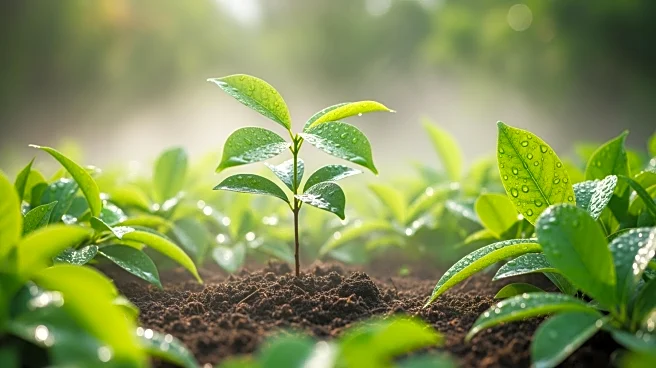
by the Ministry of Agriculture and Farmers Welfare, the festival features 50 thematic stalls with around 120 exhibitors. These stalls provide a platform for agricultural innovation and enterprise, showcasing zones like the Green Knowledge Hub, Millet Mandi, and Eco Bazaar. The festival also includes cultural programs with performances of classical and regional dance forms, musical concerts, and heritage storytelling. A community engagement program is designed to educate young minds on environmental stewardship through activities like pottery making and seed ball preparation. The event also offers expert-led workshops on natural and organic farming, climate-resilient technologies, and millet value addition.
Why It's Important?
Udyan Utsav serves as a significant platform for promoting environmental consciousness and agricultural innovation. By engaging the public in activities that highlight sustainable practices, the festival supports the President's vision of transforming presidential estates into hubs of citizen engagement. The event's focus on agricultural technologies and organic products aligns with broader efforts to enhance food security and promote sustainable farming practices. Additionally, the cultural programs and community activities foster a deeper appreciation for India's diverse cultural heritage and environmental responsibility. This initiative not only benefits the agricultural sector by connecting producers with consumers but also educates the public on the importance of environmental stewardship.
What's Next?
The festival is expected to draw significant public interest, with free entry available from 10 am to 8 pm daily. Visitors can book their entry online or at physical kiosks. The event's success could lead to similar initiatives in other presidential estates, further promoting environmental awareness and sustainable practices across the country. Stakeholders such as agricultural institutions and cultural organizations may continue to collaborate on future editions, enhancing the festival's impact and reach. The outcomes of this event could influence policy discussions on sustainable agriculture and environmental education, potentially leading to increased government support for such initiatives.
Beyond the Headlines
Udyan Utsav highlights the potential for public spaces to serve as educational and cultural hubs. By integrating environmental education with cultural programming, the festival offers a holistic approach to public engagement. This model could inspire similar initiatives in other regions, promoting a culture of sustainability and cultural appreciation. The event also underscores the role of government institutions in fostering community engagement and environmental consciousness. As public awareness of environmental issues grows, such initiatives may become increasingly important in shaping public attitudes and behaviors towards sustainability.