









What's Happening?
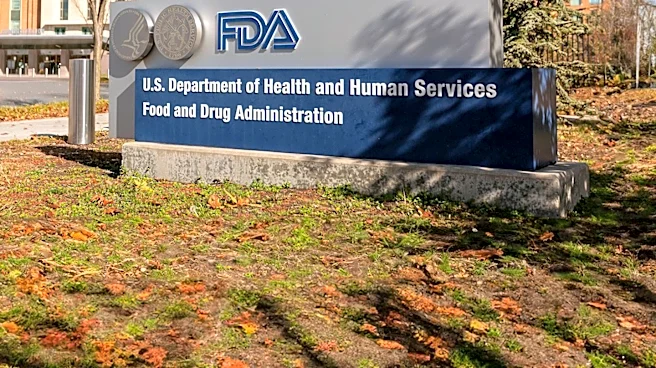
The United States employs a joint regulatory framework for cell-cultivated meat, with the FDA overseeing cell production through voluntary premarket consultations and the USDA managing harvest, processing, inspection, and labeling. The FDA's role includes
examining manufacturing methods, genetic changes, and potential residues, relying heavily on information provided by manufacturers. For novel foods like cell-cultivated meat, the USDA conducts ongoing inspections but does not perform independent product testing. This regulatory approach, particularly the concept of 'substantial equivalence,' is being questioned for its perceived leniency. Critics argue that simply matching a target protein does not fully address long-term health effects or the nutritional complexity of traditional foods. The regulatory landscape also extends to 3D-printed foods, which can combine plant proteins, cultivated animal cells, and fermentation-produced ingredients, further complicating oversight and consumer understanding.
Why It's Important?
This regulatory framework is important because it directly impacts consumer safety, transparency, and the future of the food industry in the U.S. The reliance on manufacturer-provided information for safety assessments, rather than independent testing, raises concerns about potential health risks that may not be immediately apparent. The lack of clear labeling requirements for 3D-printed foods and the complexities surrounding 'cell-cultivated chicken' mean consumers may not fully understand what they are purchasing or how it was produced, including whether genetic engineering was involved. This could lead to a lack of informed choice, especially for those with allergies or specific dietary preferences. The debate over 'substantial equivalence' highlights a broader challenge in regulating novel foods, where the focus on finished products rather than production processes may overlook critical health and ecological impacts. This approach could set a precedent for other engineered foods, potentially undermining public trust and health standards.
What's Next?
The current regulatory framework for cultivated meat and other engineered foods is likely to face continued scrutiny and calls for reform. Advocates for stronger oversight are pushing for more independent safety evidence, publicly accessible data, and clearer labeling requirements. The court-ordered vacating of key provisions in the bioengineered-food labeling law, effective January 1, 2028, may lead to changes in how genetically engineered ingredients are disclosed, though it doesn't guarantee disclosure for all precision-fermented ingredients. Future developments may include legislative efforts to address the unique health and ecological impacts of these new-generation foods, moving beyond the current fragmented oversight across multiple agencies. Consumers and advocacy groups will likely continue to demand greater transparency regarding production methods and ingredients to ensure informed choices in the evolving food market.
Beyond the Headlines
The emergence of cultivated meat and 3D-printed foods presents deeper implications beyond immediate regulatory concerns. Ethically, it raises questions about the definition of 'food' and the extent to which technology should replicate natural processes. Culturally, it challenges traditional perceptions of meat and food production, potentially leading to shifts in dietary habits and culinary practices. Legally, the fragmented regulatory approach highlights the difficulty of adapting existing laws to rapidly advancing biotechnologies. The debate also touches on the long-term health effects of consuming novel proteins and engineered ingredients, which are not fully understood. This shift towards engineered foods could trigger a broader societal discussion about food sovereignty, the role of industrial design in food production, and the balance between innovation and public health, potentially reshaping the agricultural landscape and consumer expectations for decades to come.