





What's Happening?
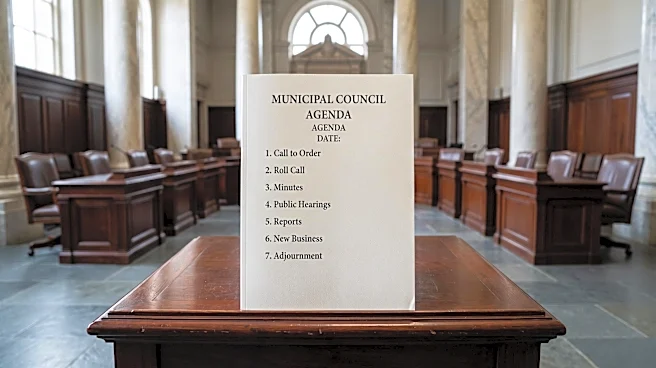
The Brooklyn Park City Council is deliberating a proposed 7.04% property tax levy increase for its 2027 budget. This preliminary figure represents the maximum possible increase the council can adopt, with the final decision scheduled for December 14.
If approved at this level, the increase would add an estimated $12 per month to the city property tax bill for a median-valued home, based on a home valued at approximately $339,300. The city's proposed 2027 budget totals approximately $90.5 million, a significant rise from the 2026 budget of $81.2 million. This increase is driven by several factors, including higher operating costs, public safety expenses, and infrastructure obligations. Specific expenses cited include the construction of a new facility for animal housing, the need to employ city prosecutors due to a contracted team's retirement, and debt payments for a new central fire station. Additionally, employee compensation adjustments, increased health insurance expenses, and general inflation are contributing to the rising costs. The city also faces reduced revenue from state aid and fiscal disparities allocations, further pressuring the budget.
Why It's Important?
This proposed property tax increase is significant for Brooklyn Park residents as it directly impacts their household finances and the level of municipal services they receive. The city's heavy reliance on property taxes, which account for approximately 77.6% of its general fund revenue, makes the annual levy decision critical. The increase reflects a broader trend of rising operational costs for local governments, driven by inflation, staffing needs, and infrastructure demands. The reduction in state aid and fiscal disparities allocations highlights how external funding changes can place additional burdens on local municipalities, forcing them to seek more revenue from local taxpayers. The challenge for the City Council is to balance the need to maintain essential services and meet financial obligations with residents' concerns about rising living costs. The outcome will determine the financial health of the city and its capacity to provide public safety, animal control, and other vital community services.
What's Next?
The Brooklyn Park City Council is scheduled to make its final 2027 budget and levy decision on December 14. Before this date, city staff will update projected costs, and departments have been asked to identify potential reductions to meet budget targets. The process includes review by the city's Budget Advisory Commission and public input through the Truth-in-Taxation process. While the 7.04% is the preliminary ceiling, the final levy could be lower depending on the council's decisions. Residents can review city budget materials and meeting information on the City of Brooklyn Park's official website. The December decision will clarify which programs will receive additional funding, where expenses will be reduced, and how the city plans to address its long-term financial obligations, directly affecting both the cost of municipal government and the services supported by local tax revenue for Brooklyn Park households.
Beyond the Headlines
The budget deliberations in Brooklyn Park underscore a common dilemma faced by many U.S. municipalities: how to sustain and improve public services amidst rising costs and fluctuating external funding. This situation often leads to difficult choices between increasing taxes, cutting services, or finding innovative ways to generate revenue. The reliance on property taxes as a primary funding source means that homeowners bear a significant portion of the financial burden, which can exacerbate affordability concerns in communities. The discussions also highlight the intricate relationship between local government finance and broader economic trends, such as inflation and state-level funding policies. The decision-making process involves not just financial calculations but also ethical considerations about equity, community well-being, and the long-term sustainability of urban infrastructure and services. The outcome in Brooklyn Park could serve as a case study for other cities grappling with similar fiscal pressures.