







What's Happening?
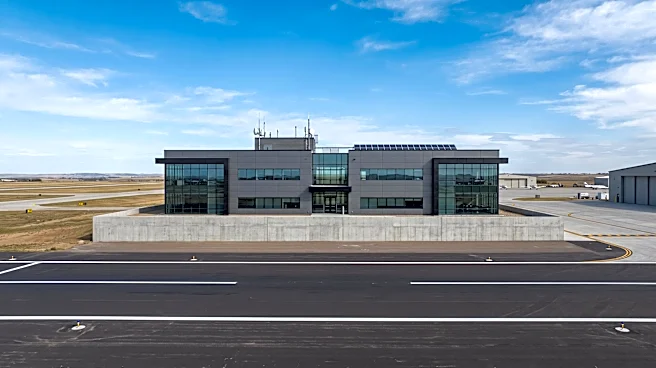
General Atomics Aeronautical Systems, Inc. (GA-ASI) has inaugurated a new Remote Split Operation (RSO) facility near Grand Forks, North Dakota. The facility, which held a ribbon-cutting ceremony on October 30, will be used by GA-ASI to remotely fly its
MQ-9A Remotely Piloted Aircraft. These operations support the U.S. Africa Command (AFRICOM) through a Contractor-Owned, Contractor Operated (COCO) lease. U.S. Senator John Hoeven (R-ND) attended the event alongside GA-ASI CEO Linden Blue, highlighting his office's instrumental role in establishing this support center in North Dakota. The facility aims to enhance national defense and intelligence capabilities while generating significant cost savings for AFRICOM by relocating pilots from overseas to Grand Forks.
Why It's Important?
The establishment of GA-ASI's RSO facility in North Dakota carries significant implications for U.S. national defense, economic development, and military operational efficiency. By enabling pilots to remotely fly missions for AFRICOM from within the U.S., the facility is projected to save AFRICOM over $10 million annually, primarily by reducing the need for personnel to operate overseas. This move not only enhances the safety of personnel but also brings a broader intelligence, surveillance, and reconnaissance portfolio to North Dakota. The investment by GA-ASI, supported by Senator Hoeven's efforts through the Senate Defense Appropriations Committee, underscores a strategic shift towards more cost-effective and domestically-based defense operations, benefiting both the military and the local economy through the creation of approximately 50 well-paying jobs in Grand Forks.
What's Next?
The new GA-ASI RSO facility is expected to become fully operational in supporting U.S. Africa Command missions, with pilots transitioning from overseas locations to Grand Forks. This shift will likely lead to the realization of the projected cost savings for AFRICOM and a continued enhancement of intelligence and reconnaissance capabilities. The success of this model could potentially influence future defense contracting strategies, encouraging more domestic remote operation centers for various military commands. Furthermore, the facility's operation will contribute to the economic growth of the Grand Forks community through job creation and sustained investment from GA-ASI, solidifying North Dakota's role as a key hub for national defense and aerospace technology.
Beyond the Headlines
The move to remote split operations, as exemplified by GA-ASI's new facility, represents a broader trend in military and defense strategy towards leveraging technology for operational efficiency and personnel safety. This approach not only reduces the physical footprint of military operations in foreign territories but also mitigates risks associated with deploying personnel abroad. The ethical and legal frameworks surrounding remote warfare, particularly concerning accountability and the rules of engagement for remotely piloted aircraft, will continue to evolve as these operations become more prevalent. This development also highlights the increasing integration of private contractors into core defense functions, raising questions about the balance between government and private sector roles in national security and intelligence gathering.