






What's Happening?
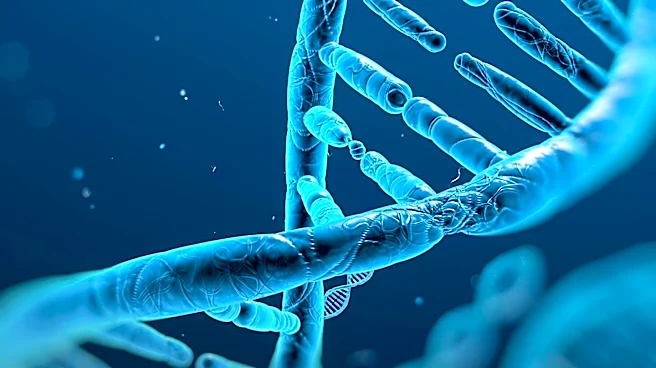
New research published in Science, which examined 1,640 DNA methylomes from 894 dogs, suggests that larger dog breeds tend to age faster at a molecular level than smaller breeds. The study found that molecular aging occurred most rapidly early in life,
with larger dogs exhibiting faster molecular aging compared to their smaller counterparts. Additionally, male dogs showed faster molecular aging than female dogs. The researchers identified distinct DNA patterns, noting that size-associated methylation differences were particularly prominent at transposable elements, often referred to as 'jumping genes.' Sex-associated methylation changes were concentrated on the X chromosome. While these findings offer clues about canine aging, they do not definitively establish jumping genes as the sole cause of shorter lifespans in large dogs, nor do they provide a precise prediction of an individual dog's lifespan. The study emphasizes that individual lifespan is influenced by multiple factors beyond molecular patterns.
Why It's Important?
This research is important because it sheds light on the biological mechanisms underlying the observed lifespan disparities between large and small dog breeds. By identifying specific epigenetic changes, particularly in DNA methylation patterns and transposable elements, the study provides a molecular basis for understanding why larger dogs often have shorter lives. This understanding could lead to the development of targeted interventions or breeding strategies aimed at mitigating accelerated aging in larger breeds, potentially improving their health and extending their lifespans. For dog owners and veterinarians, these findings underscore the importance of tailored care, including appropriate nutrition, activity, and regular veterinary check-ups, to support healthy aging in all dogs, especially larger ones. The study also contributes to the broader field of aging research, as insights into canine aging can sometimes offer parallels or inform studies on human aging, given the shared biological processes.
What's Next?
Future research will likely focus on further investigating the role of transposable elements and specific DNA methylation patterns in canine aging. Scientists will aim to determine if these molecular changes are merely indicators of faster aging or if they actively contribute to the process, and if so, how. This could involve studies designed to manipulate these epigenetic markers or gene activities to observe their impact on lifespan and health outcomes in dogs. The findings may also encourage the development of more sophisticated epigenetic clocks for dogs, which could be used to monitor the effectiveness of anti-aging interventions. For dog owners, while the research does not yet offer direct treatments to reverse molecular aging, it reinforces existing recommendations for optimal care, such as maintaining a healthy body condition, providing suitable nutrition and activity, and ensuring regular veterinary care. Continued collaboration between researchers and veterinary professionals will be crucial in translating these scientific discoveries into practical benefits for canine health.
Beyond the Headlines
Beyond the immediate implications for canine health, this research touches upon fundamental questions about the biology of aging across species. The observation that body size correlates with molecular aging rates in dogs could prompt similar investigations in other animals, and potentially even offer insights into human aging, where body size and metabolic rates are also considered factors in longevity. The focus on epigenetics highlights the dynamic nature of our genetic blueprint and how environmental and internal factors can influence gene expression without altering the DNA sequence itself. This opens up avenues for understanding how lifestyle choices and environmental exposures might impact aging processes. Ethically, as our ability to understand and potentially manipulate aging processes grows, it raises questions about the extent to which we should intervene in natural lifespans, both for animals and humans. The study also subtly reminds us of the complex interplay between genetics, environment, and individual variation in determining health and longevity.