







What's Happening?
A new guide released by leading maritime associations highlights the significant risks associated with transiting the Strait of Hormuz. The guide, developed by ICS, BIMCO, Intertanko, IMCA, Intercargo, and OCIMF, outlines the navigational hazards and potential
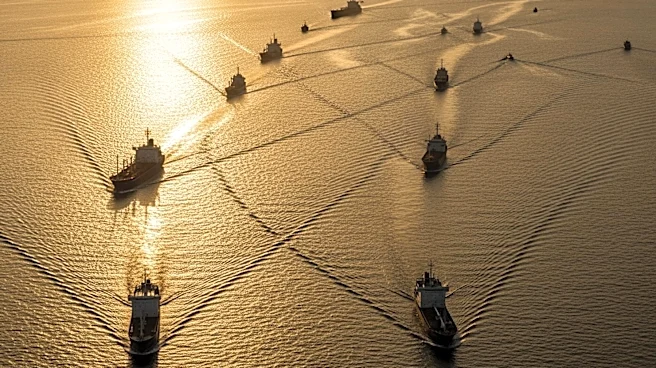
for collisions or groundings in the strait. The document advises operators to prepare for erratic traffic conditions, including uncoordinated transits and nonstandard vessel maneuvers. The guide emphasizes the importance of pre-transit planning and recommends that vessels be self-reliant, as external assistance may not be readily available. The guidance also suggests measures to mitigate risks, such as using radar and visual monitoring over GPS, and ensuring crew readiness for GPS-denied environments.
Why It's Important?
The Strait of Hormuz is a critical chokepoint for global oil transportation, and any disruptions can have significant implications for international energy markets. The increased risks highlighted in the guide could lead to higher insurance costs and operational challenges for shipping companies. The potential for accidents or attacks in the strait could also escalate geopolitical tensions, particularly involving countries with vested interests in the region. Ensuring safe passage through the strait is crucial for maintaining the stability of global oil supplies and preventing economic disruptions. The guide's recommendations aim to enhance safety and preparedness for vessels navigating this strategically important waterway.
What's Next?
Shipping companies and operators are likely to review and update their transit plans and safety protocols in response to the new guidance. There may be increased collaboration between industry stakeholders to address the challenges posed by the strait's traffic conditions. Additionally, governments and international organizations might engage in discussions to enhance security measures and ensure the safe passage of vessels. The situation in the Strait of Hormuz will continue to be closely monitored, with potential developments impacting global shipping and energy markets.