


What's Happening?
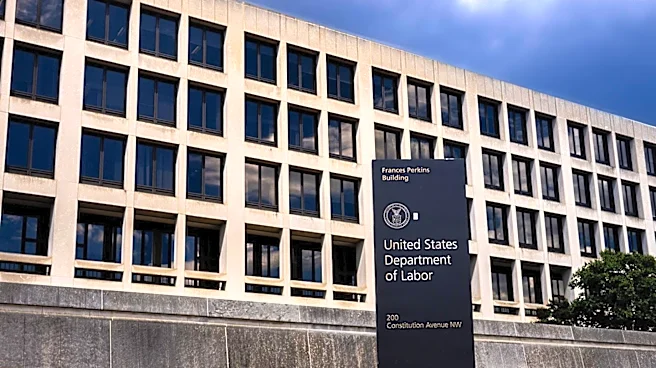
The U.S. Department of Labor (DOL) has released a proposed rule to substantially revise the PERM labor certification program, which is used by employers to sponsor foreign nationals for employment-based permanent residence. The proposal, scheduled for publication
in the Federal Register on November 17, 2026, includes significant changes such as eliminating Schedule A (a streamlined certification for designated occupations like nurses and physical therapists), modernizing recruitment methods to include online platforms instead of mandatory newspaper advertising, and tightening layoff restrictions. The DOL proposes a two-year restriction on PERM filings following qualifying layoffs and expanded obligations concerning affected U.S. workers. Additionally, the rule aims to expand compliance requirements, address remote, hybrid, and roving work arrangements, and formalize electronic filing and communications.
Why It's Important?
This proposed overhaul of the PERM program could have a profound impact on U.S. employers, particularly those in sectors heavily reliant on foreign talent, such as healthcare and technology. The elimination of Schedule A could lead to longer sponsorship timelines and increased recruitment burdens for healthcare providers, potentially exacerbating existing staffing shortages. Tightened layoff restrictions could limit employers' flexibility in workforce planning and make it more challenging to sponsor foreign workers after reductions. The modernization of recruitment methods, while potentially streamlining the process, will require employers to adapt their strategies. Overall, these changes could increase the complexity and cost of sponsoring foreign workers, affecting the ability of U.S. businesses to attract and retain global talent, and potentially influencing economic growth and innovation.
What's Next?
The proposed rule will undergo a 60-day public comment period following its publication. During this time, employers, immigration attorneys, and other stakeholders are encouraged to submit feedback, which the DOL will consider before issuing a final rule. Employers are advised to continue complying with current PERM requirements while reviewing their sponsorship programs with immigration counsel. Practical preparation includes identifying potential impacts on Schedule A or layoff-affected sponsorships, coordinating HR, recruiting, legal, and immigration teams before workforce changes, and considering submitting comments to the DOL. The final provisions adopted will determine the ultimate impact on U.S. immigration and employment practices.
Beyond the Headlines
Beyond the immediate operational and financial implications for businesses, this proposed PERM overhaul touches upon broader debates surrounding U.S. immigration policy, labor market protection, and the future of work. The tightening of layoff restrictions reflects a policy intent to prioritize U.S. workers, potentially influencing corporate decisions regarding workforce reductions and global talent acquisition. The formalization of rules for remote and hybrid work arrangements acknowledges the lasting impact of evolving work models, signaling a governmental effort to adapt immigration regulations to contemporary employment realities. This regulatory shift could also spark discussions about the balance between protecting domestic labor and maintaining global competitiveness, potentially leading to long-term changes in how U.S. industries access and integrate international talent.