



What's Happening?
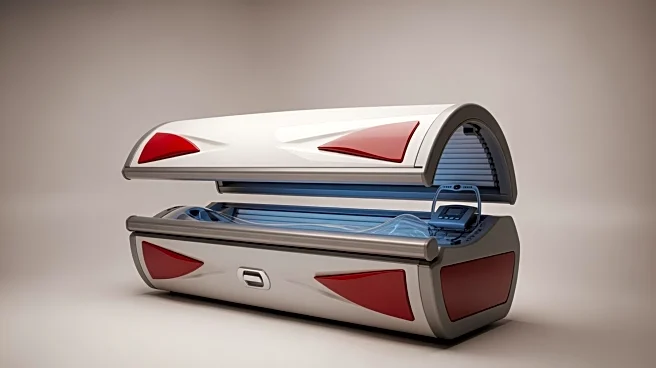
The Food & Drug Administration (FDA) has decided to withdraw a proposed rule that would have prohibited individuals under 18 from using tanning beds in the United States. Initially proposed in 2015, the rule aimed to mitigate the risk of skin cancer associated
with the high doses of UV light emitted by tanning beds. The FDA's decision to retract the proposal follows the receipt of over 8,100 public comments, which highlighted various perspectives, including the dangers of UV radiation, the vulnerability of minors, and arguments for personal choice and parental decision-making. Despite acknowledging the scientific link between tanning beds and skin cancer, the FDA stated that it would reconsider the best approach to address these issues. The withdrawal notice was signed by Health and Human Services Secretary Robert F. Kennedy, Jr. Dermatologists and health professionals have expressed concern that this decision may send a confusing message to minors and their parents about the risks of tanning beds.
Why It's Important?
The FDA's withdrawal of the proposed tanning bed restriction is significant as it impacts public health policy and the ongoing efforts to reduce skin cancer rates among young people. Tanning beds are classified as a group 1 carcinogen by the World Health Organization, and their use is linked to an increased risk of melanoma and other skin cancers. The decision to withdraw the proposal may hinder efforts to protect minors from these risks, potentially leading to higher skin cancer rates in the future. The move also highlights the tension between public health objectives and individual freedoms, as well as the influence of public opinion and industry stakeholders on regulatory decisions. The FDA's action may prompt further debate on how best to balance these considerations while ensuring public safety.
What's Next?
Following the withdrawal of the proposed rule, the FDA plans to reassess the issues related to tanning bed use by minors and explore alternative regulatory approaches. This reassessment may involve further consultations with stakeholders, including health professionals, industry representatives, and the public. The outcome of this process could lead to new proposals or guidelines aimed at mitigating the risks associated with tanning bed use. In the meantime, health organizations and dermatologists are likely to continue advocating for stricter regulations to protect minors from the harmful effects of UV radiation. The decision may also prompt legislative action at the state level, as some states have already implemented their own restrictions on tanning bed use by minors.
Beyond the Headlines
The FDA's decision to withdraw the proposed tanning bed restriction raises broader questions about the role of government in regulating health-related behaviors and the effectiveness of public health campaigns. It also underscores the challenges of implementing science-based policies in the face of diverse public opinions and economic interests. The situation highlights the need for ongoing public education about the risks of tanning beds and the importance of preventive measures to reduce skin cancer incidence. Additionally, the decision may influence future regulatory approaches to other health-related issues, as it reflects the complexities of balancing scientific evidence, public opinion, and industry interests in policy-making.